Neelkantheshwar Temple
Udaypur, Madhya Pradesh, India Place of Worship. Hindu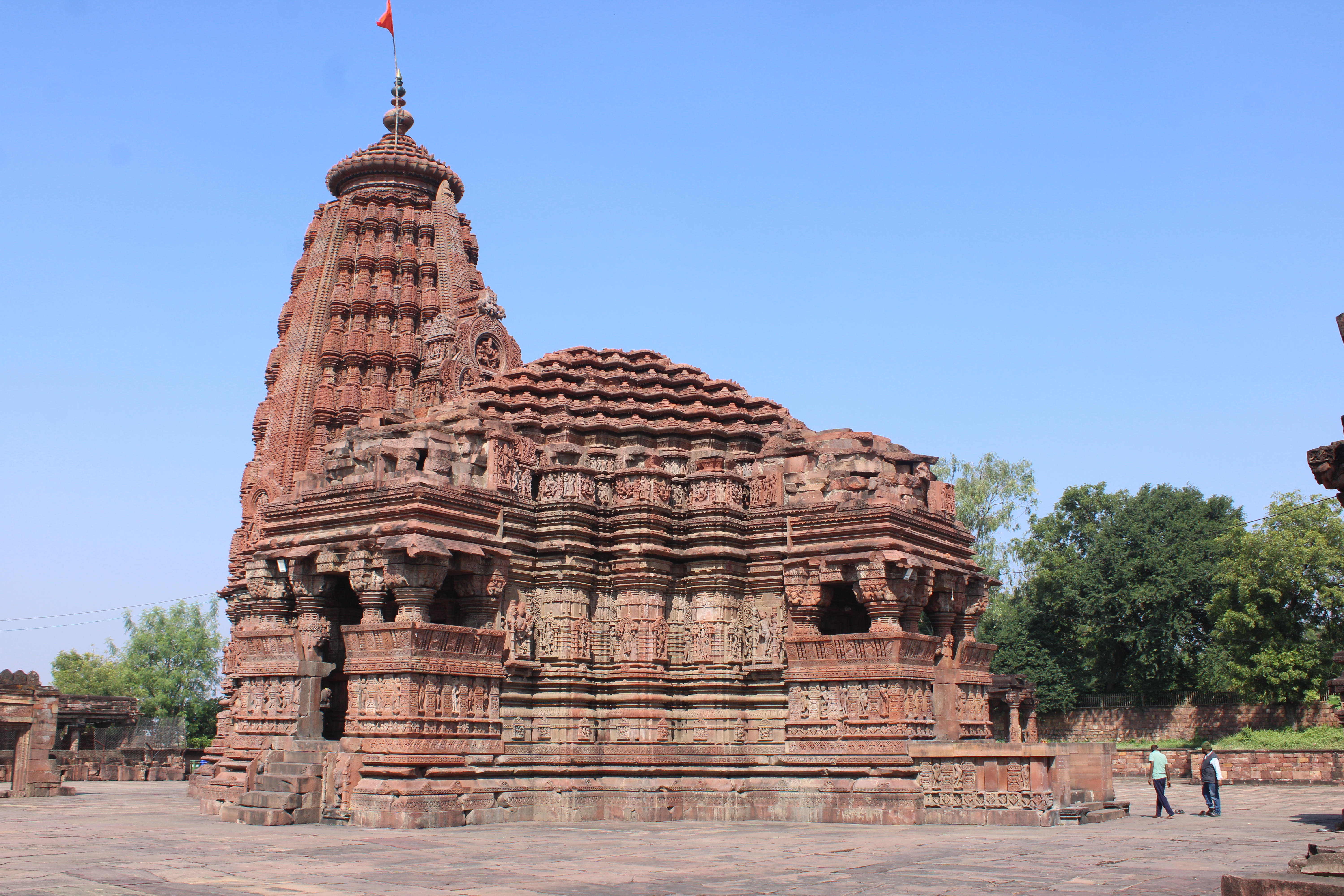
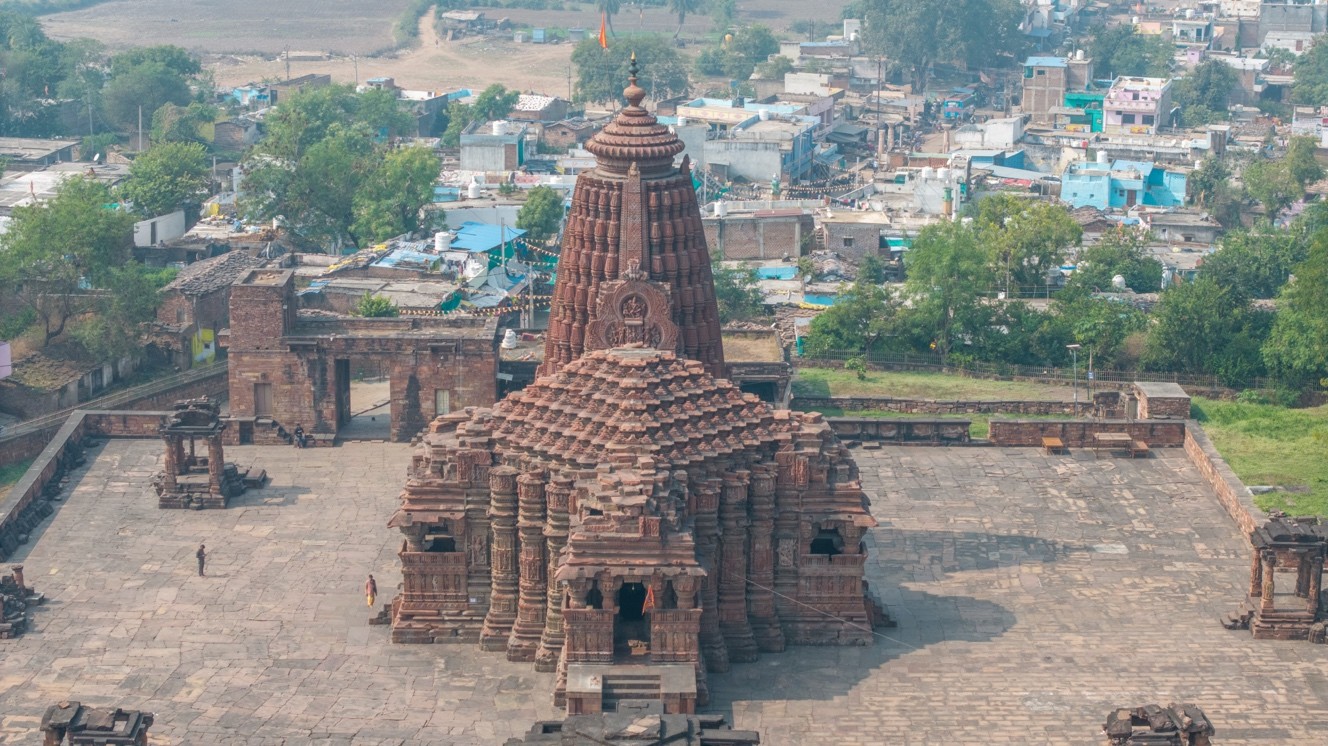
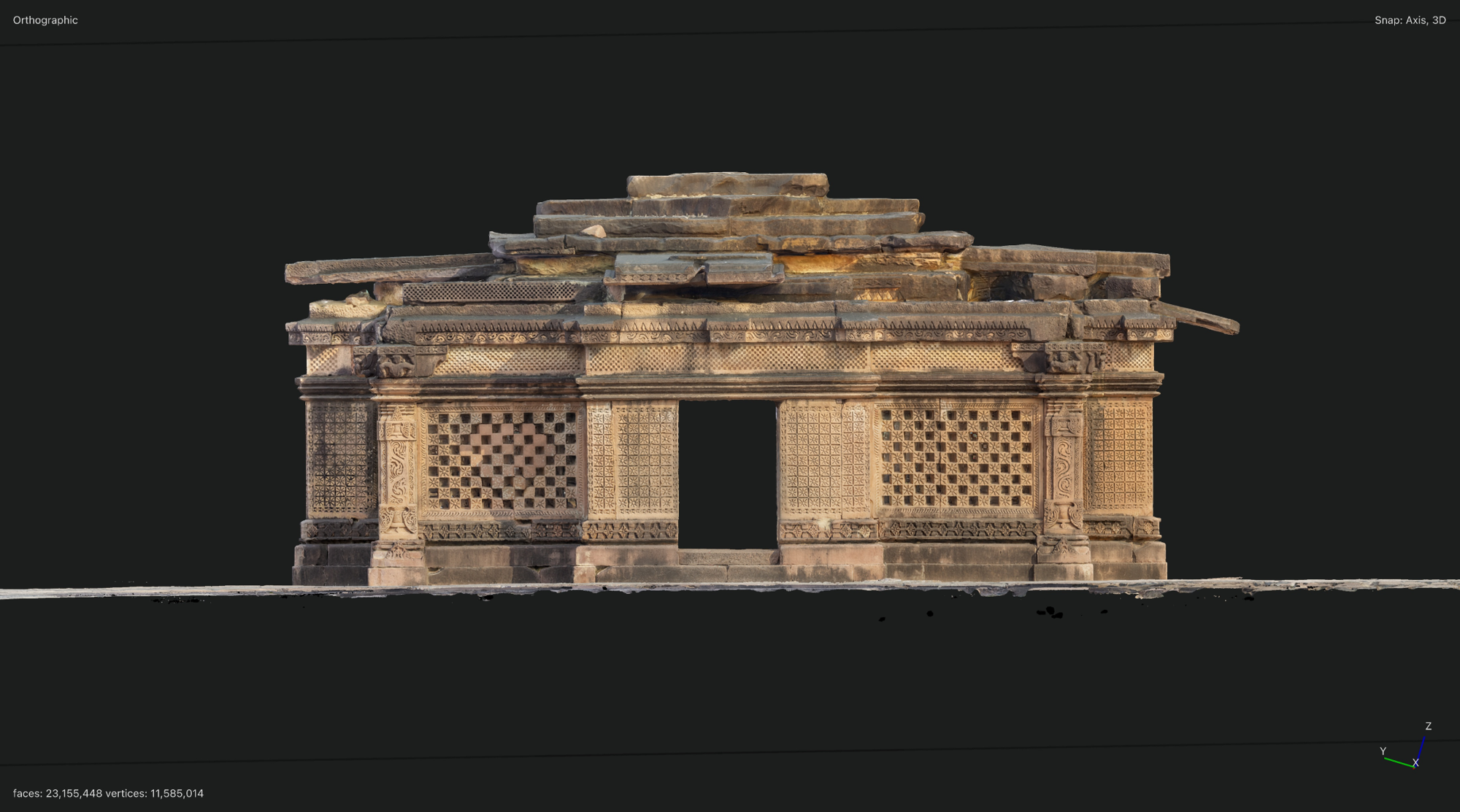
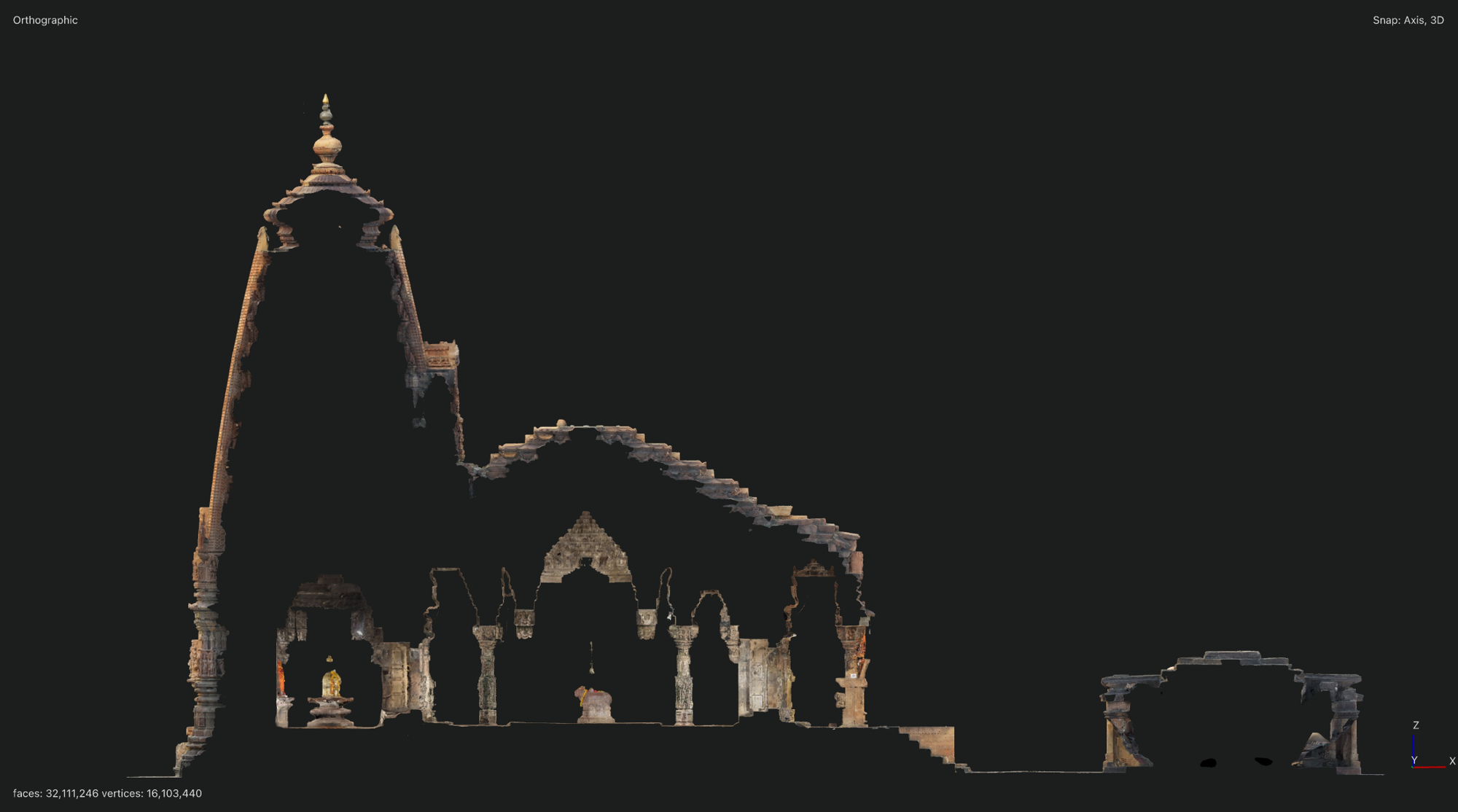
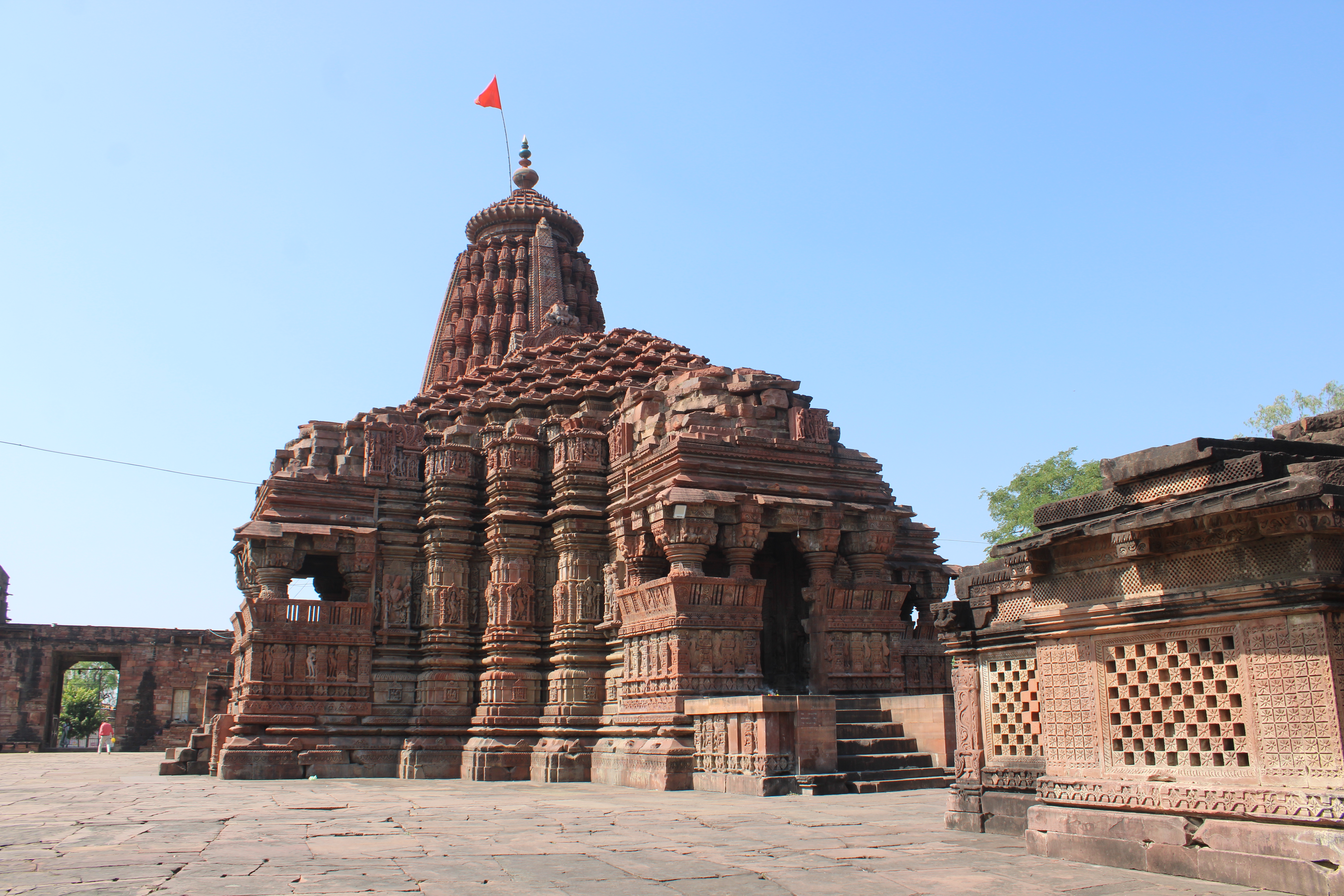
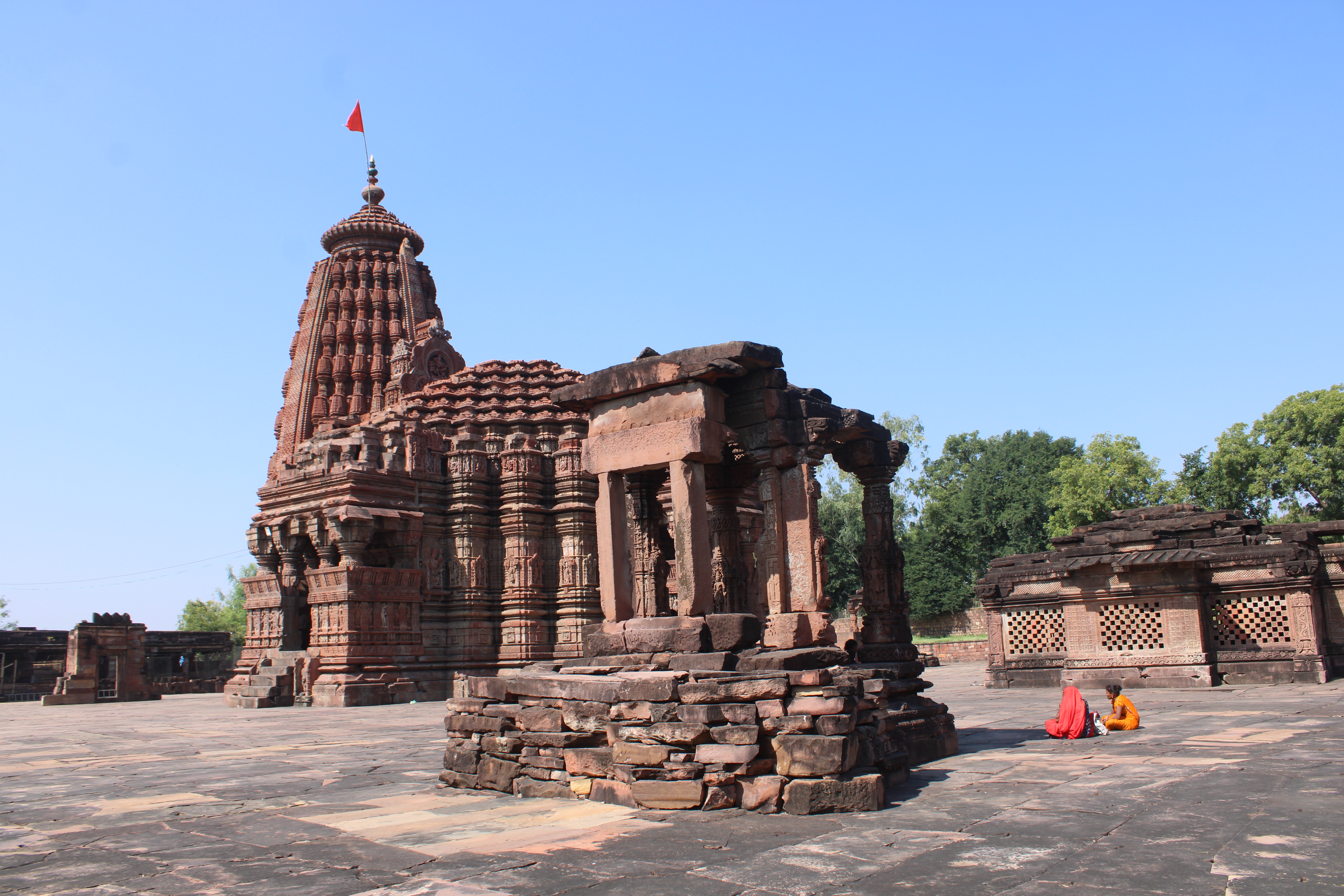
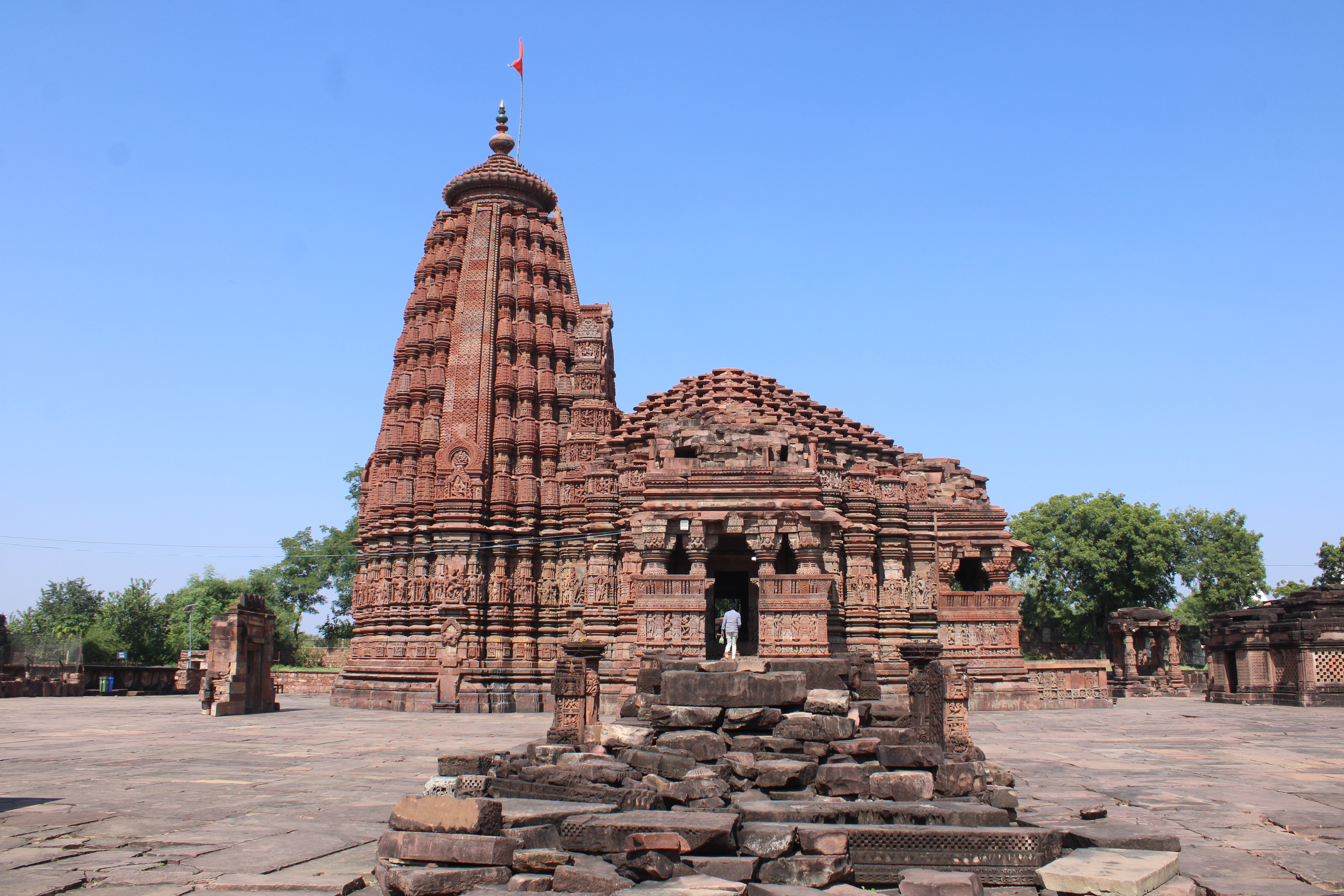
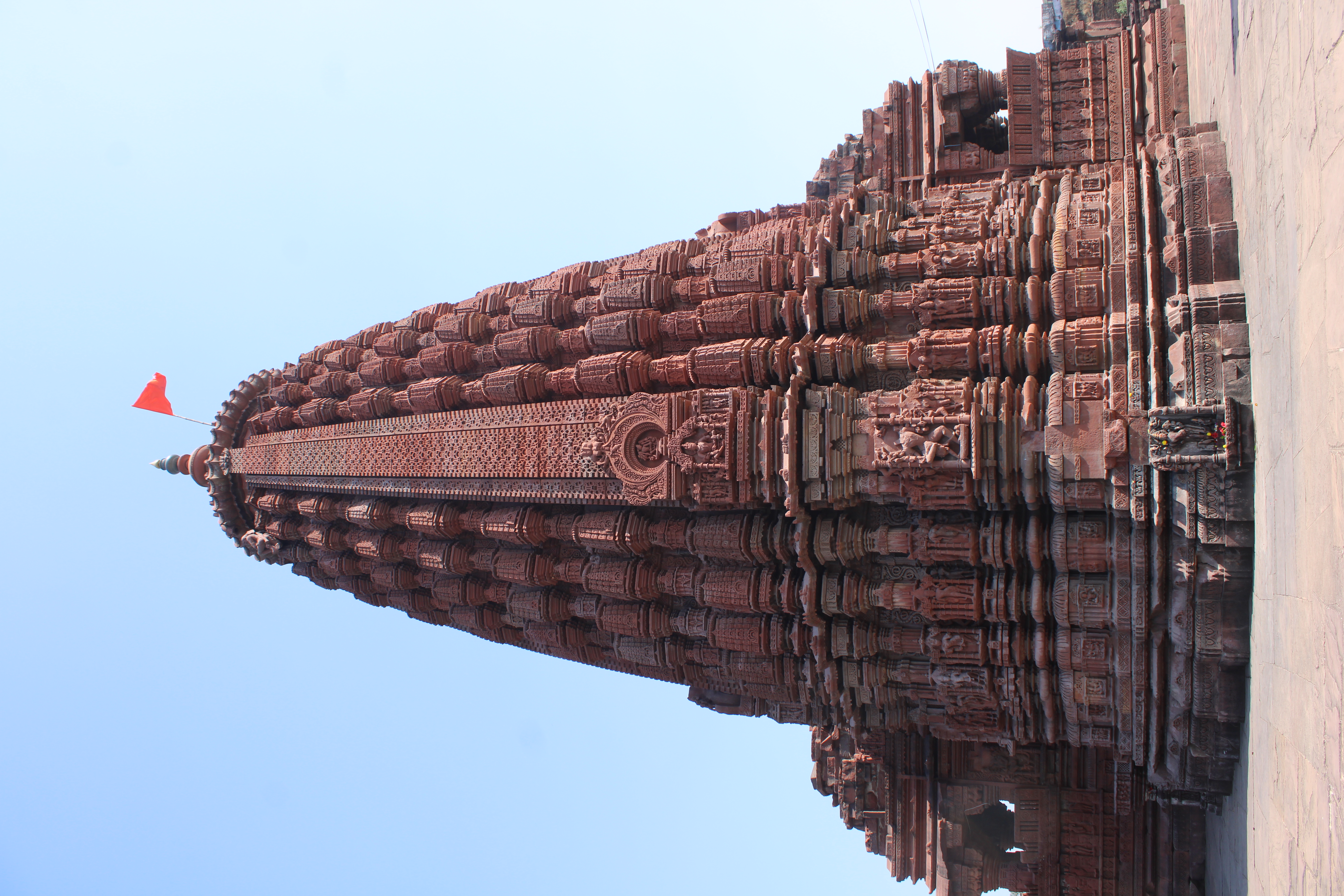
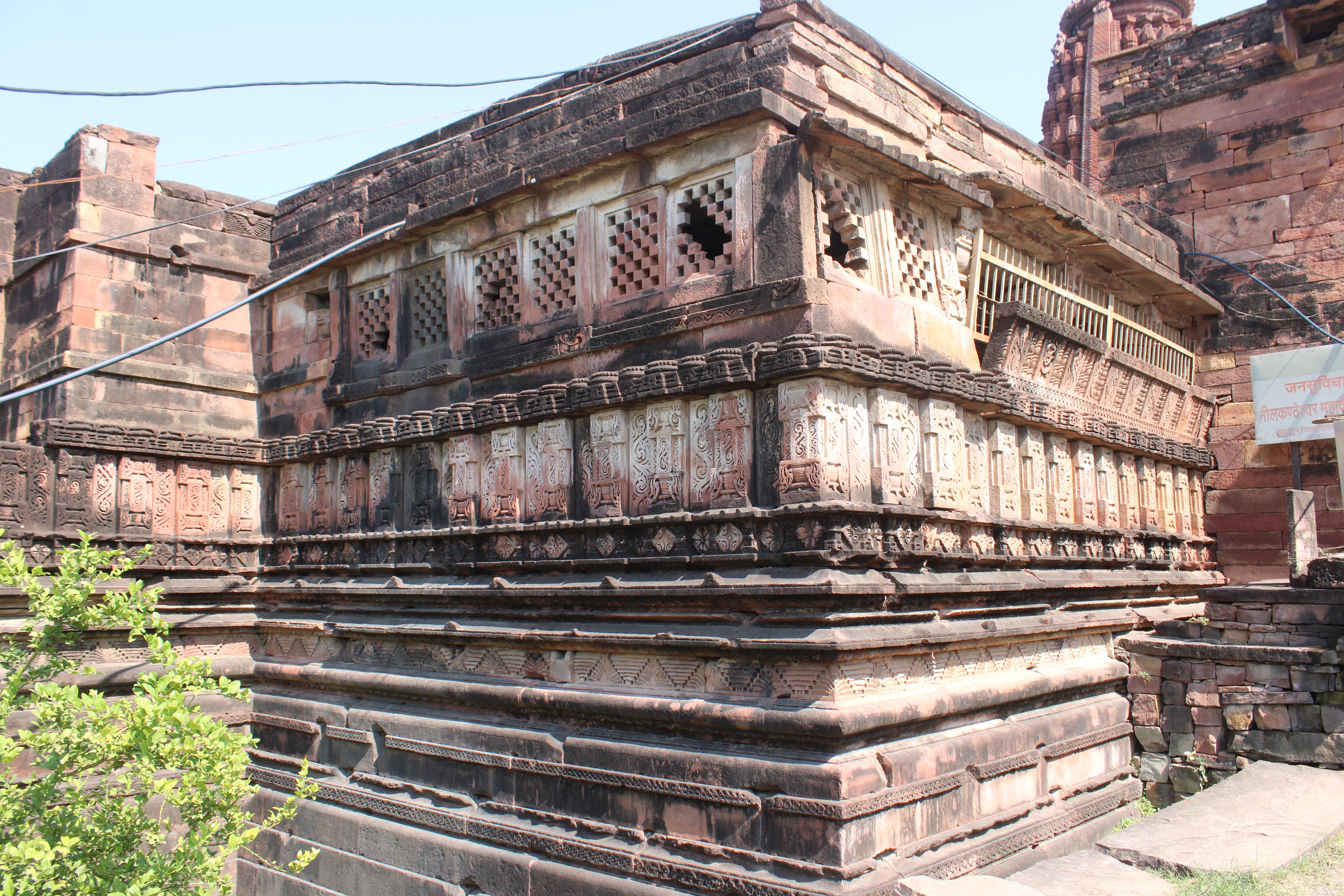
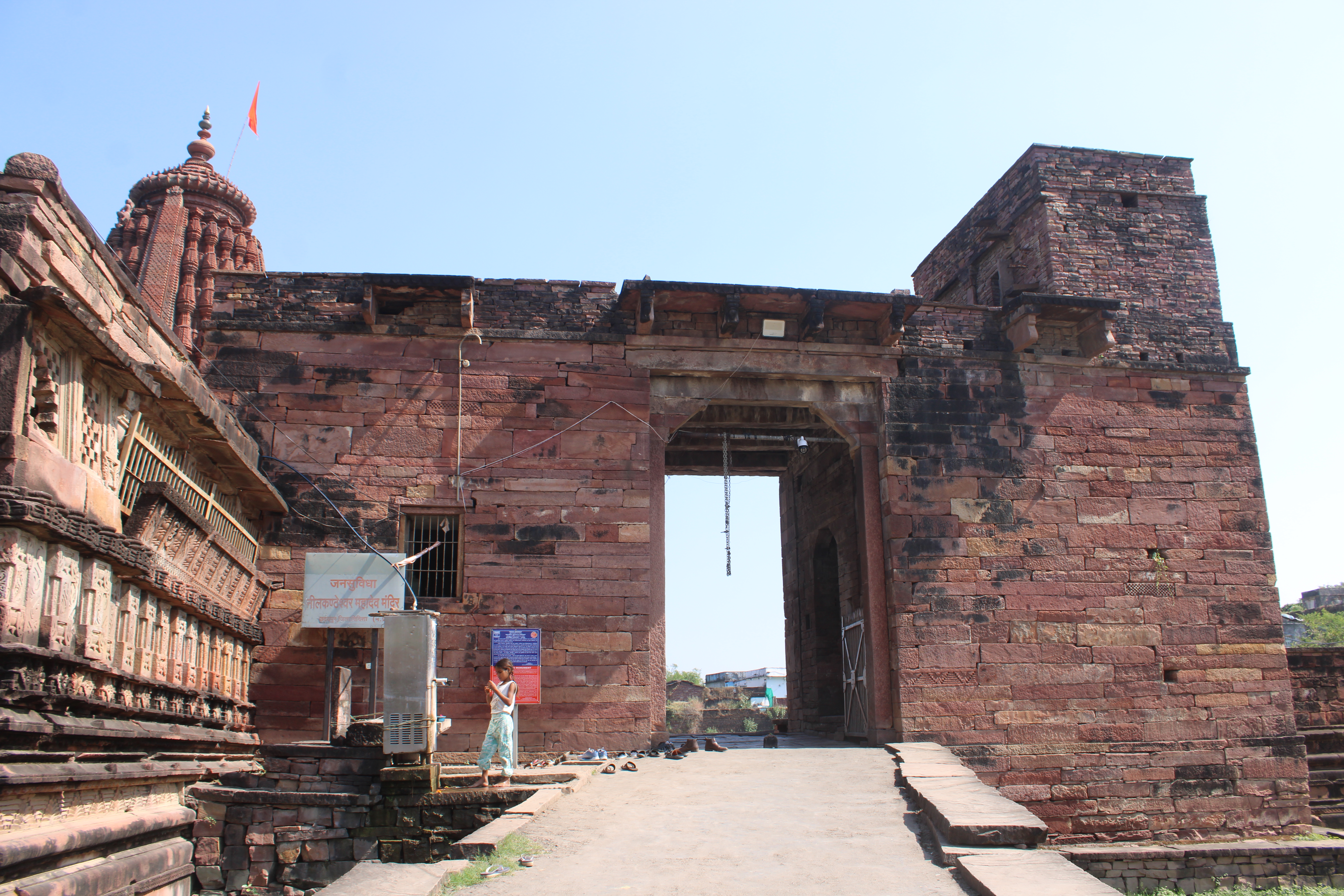
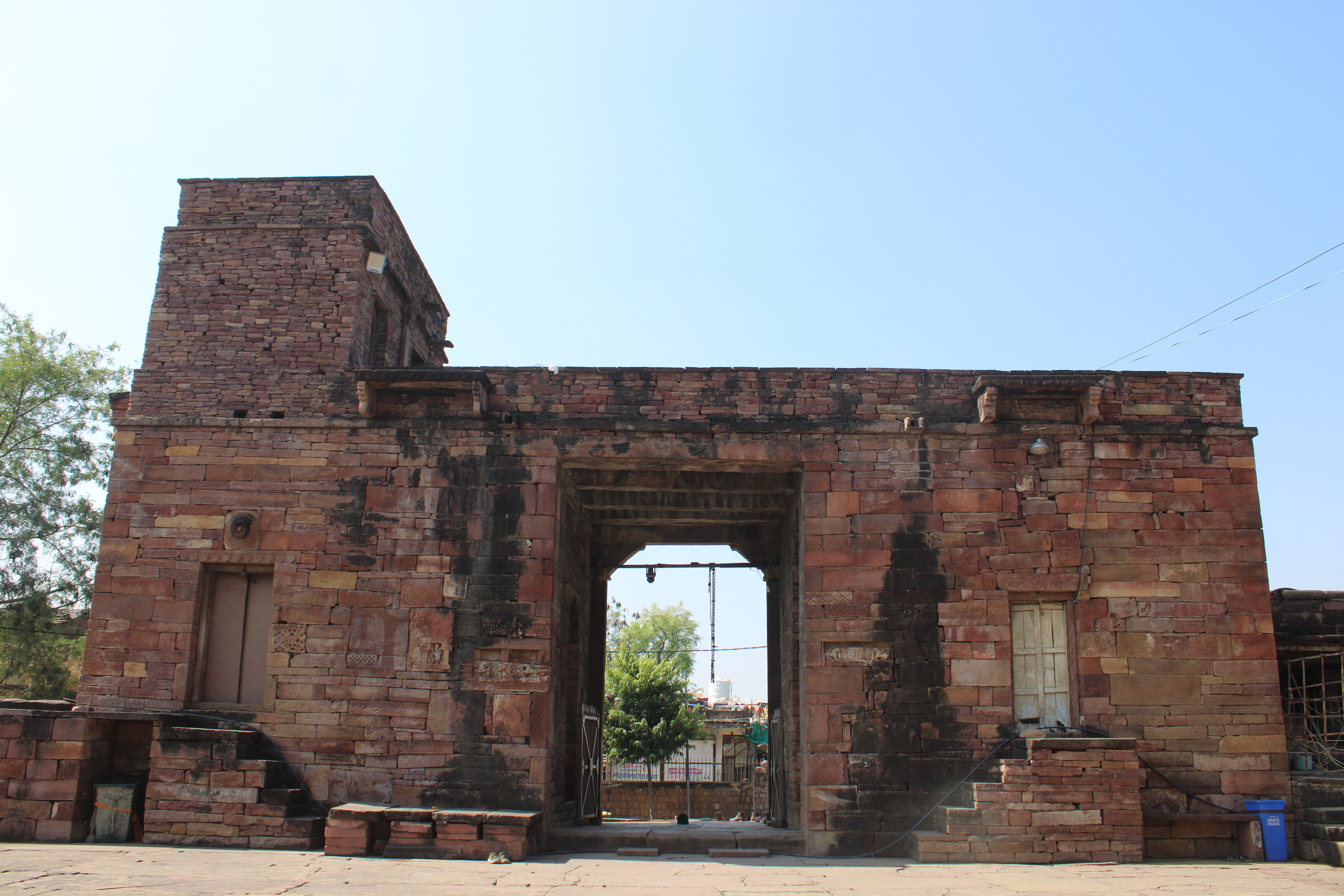
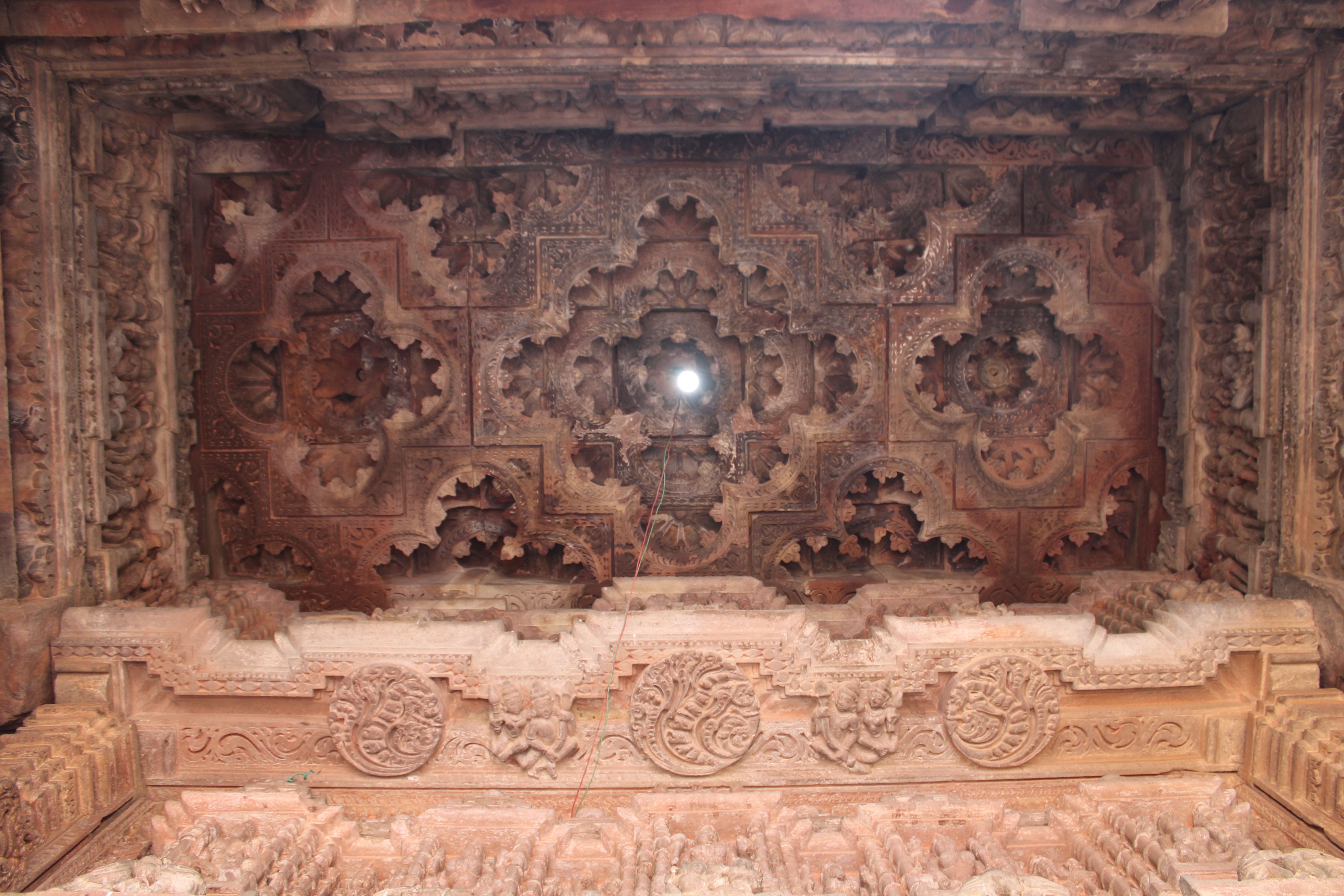
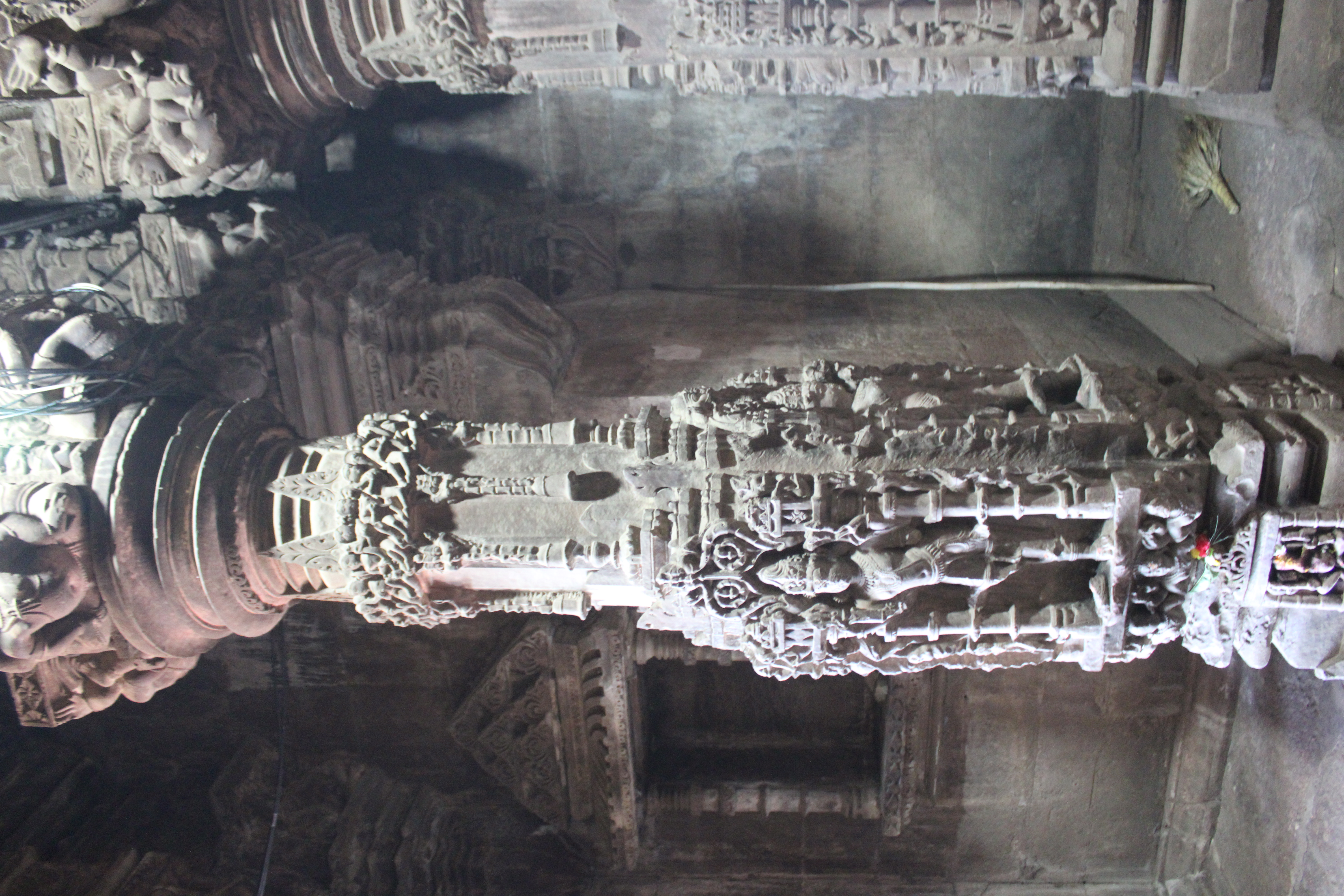
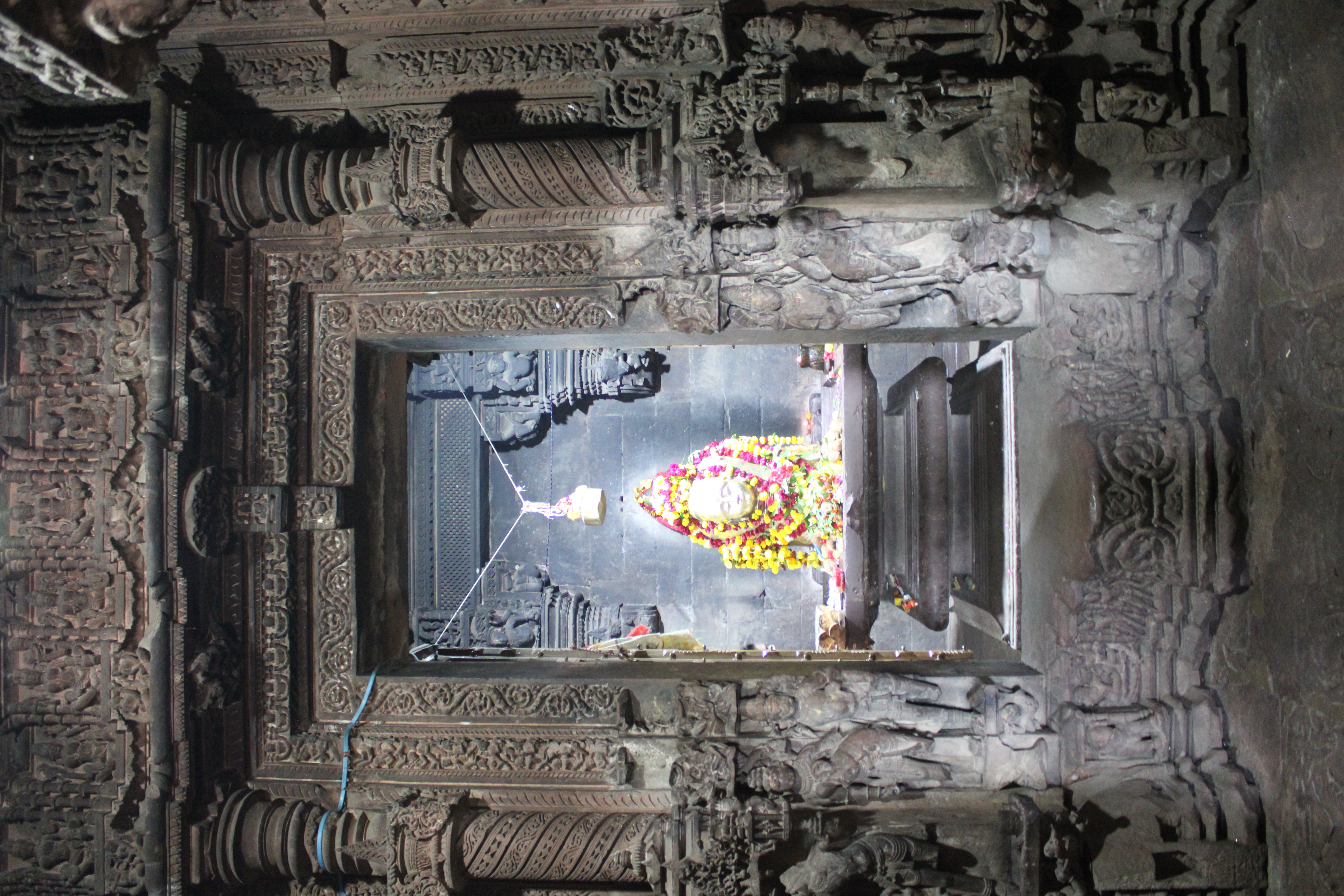
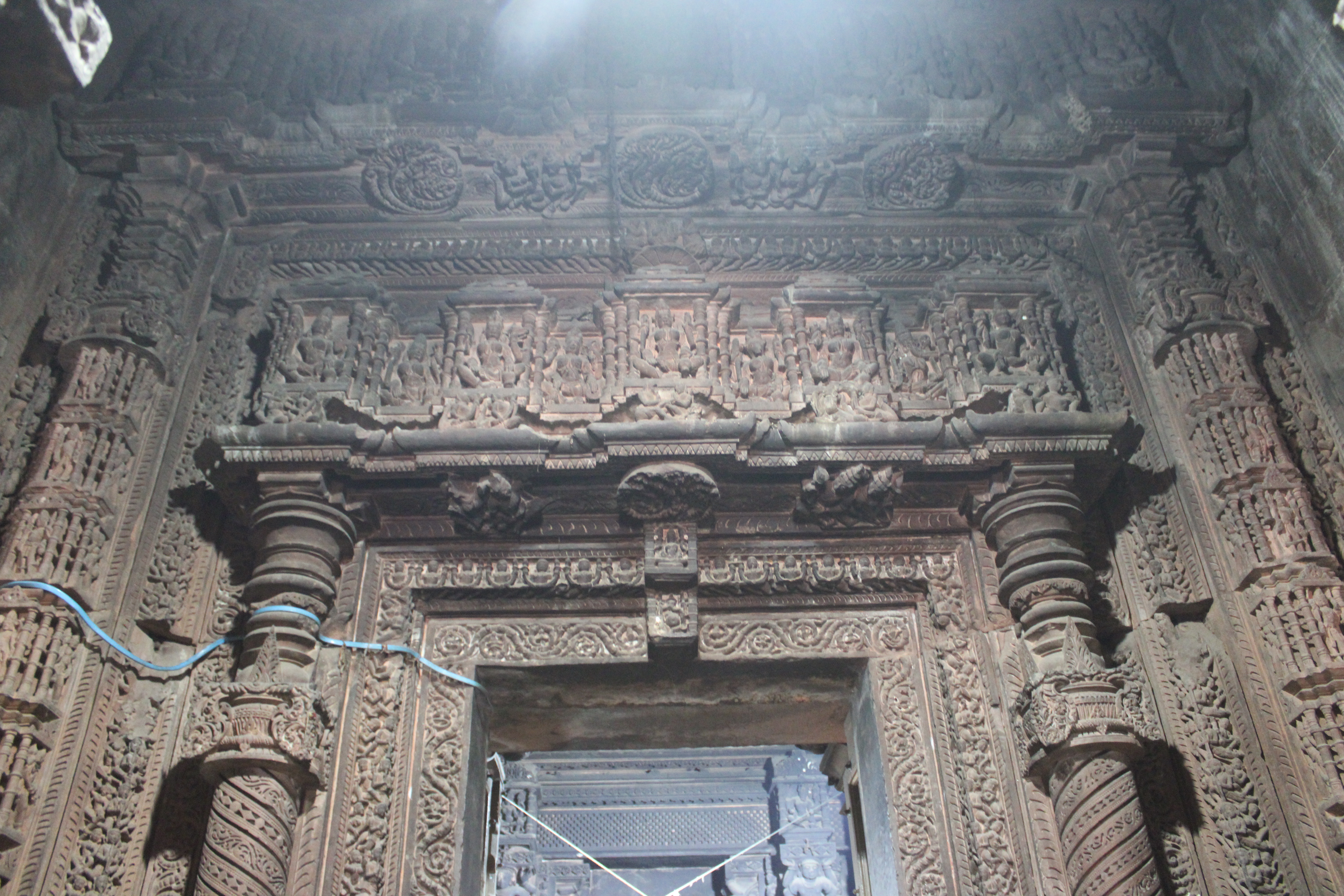
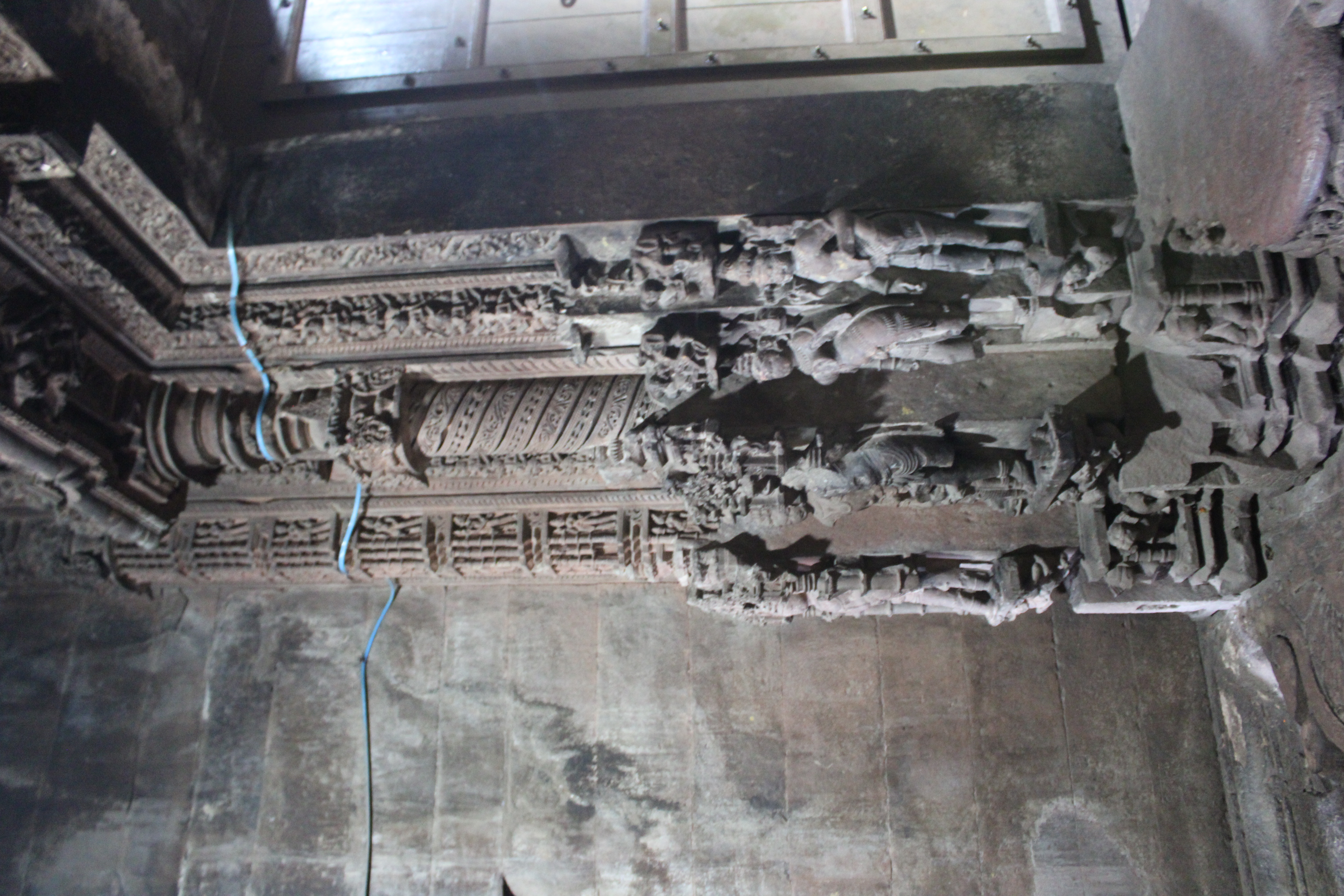
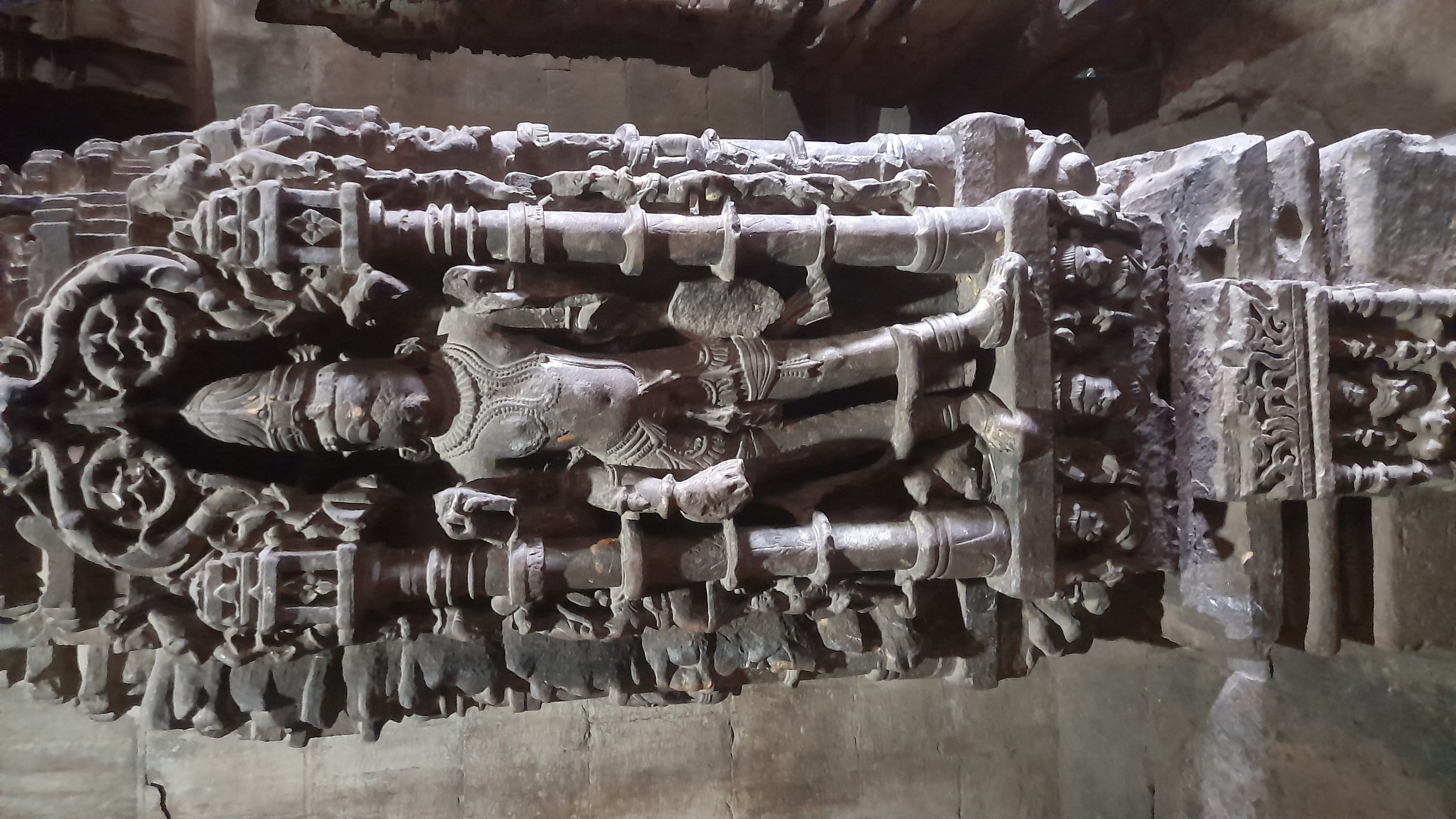
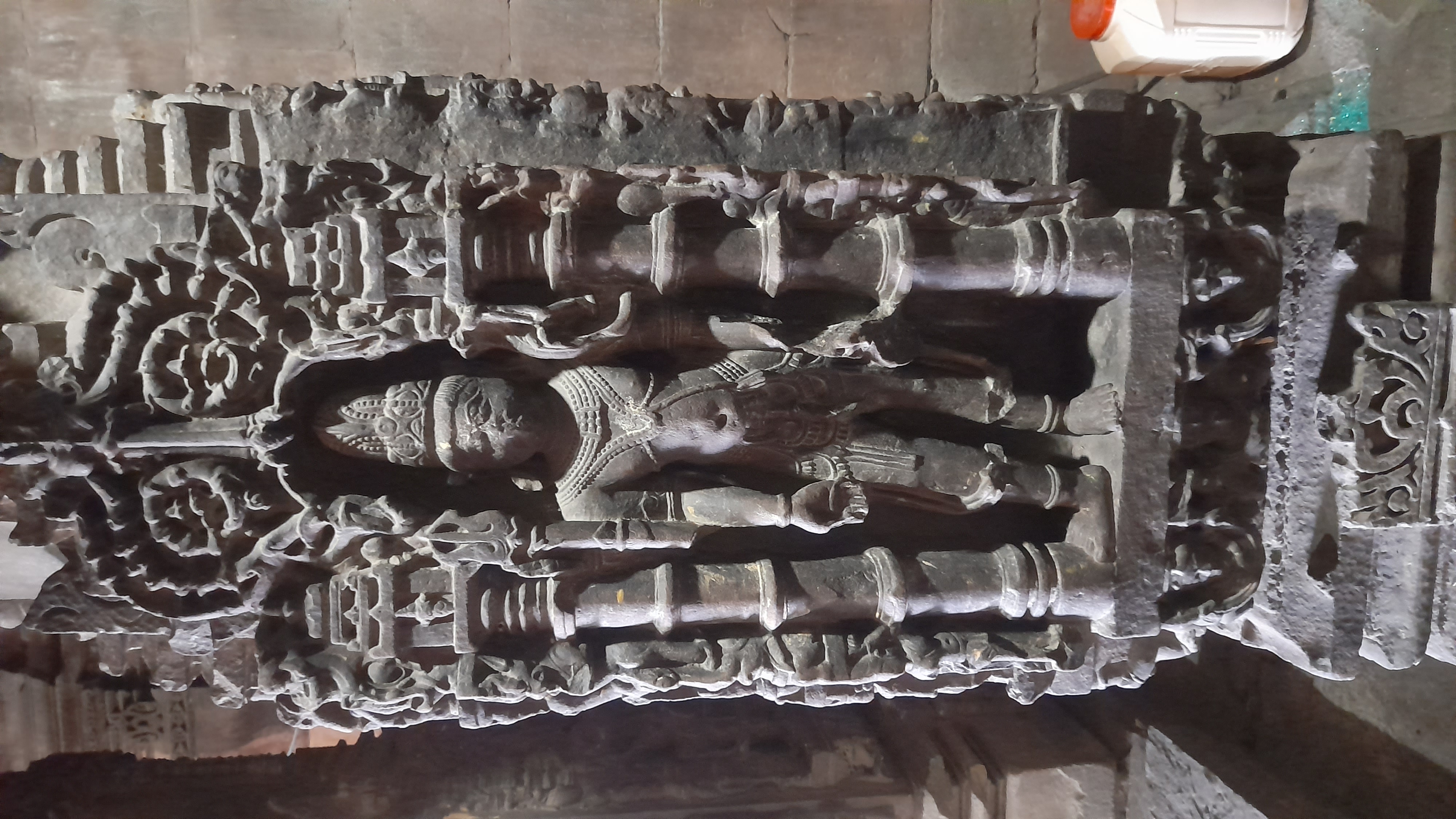
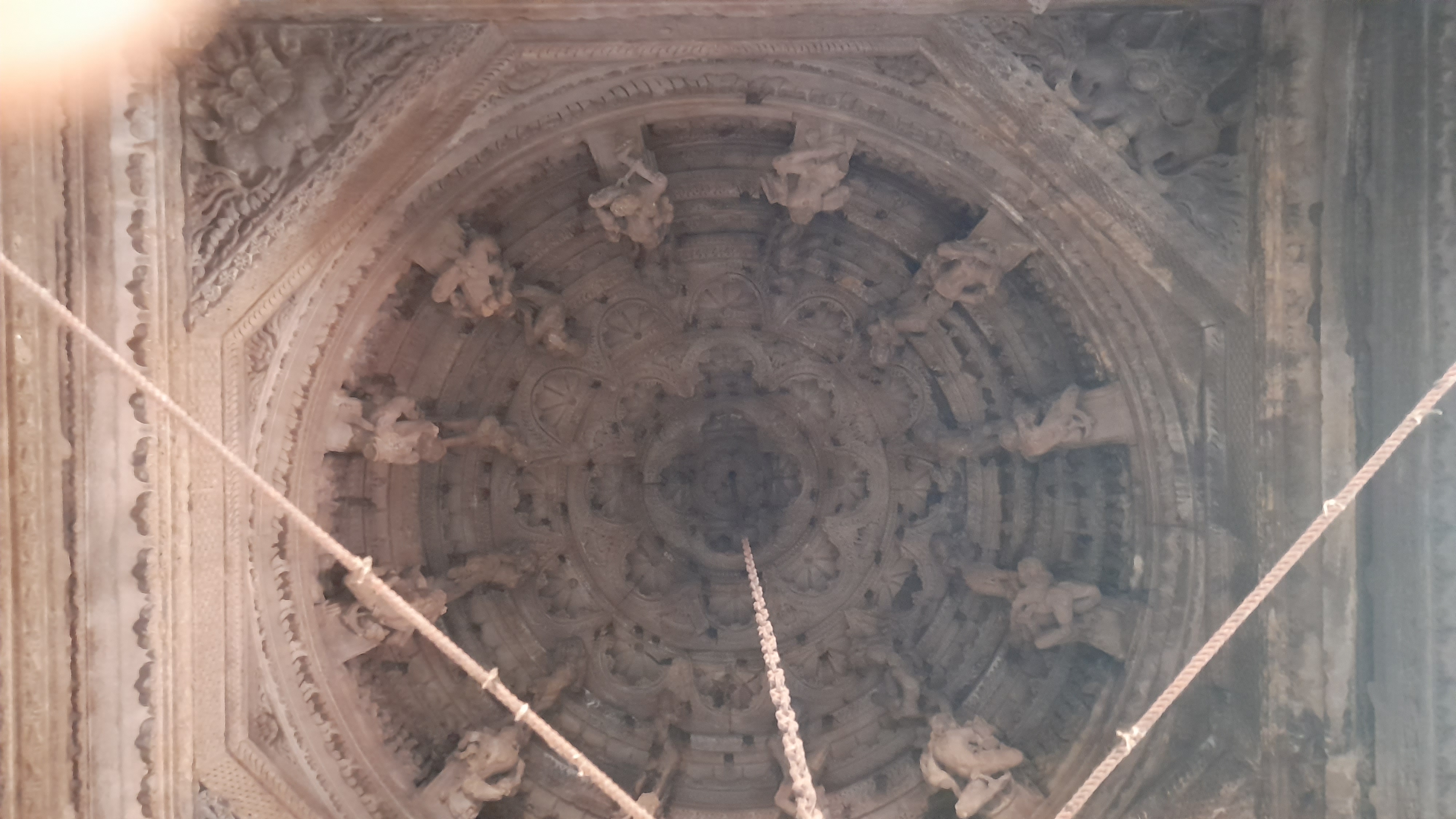
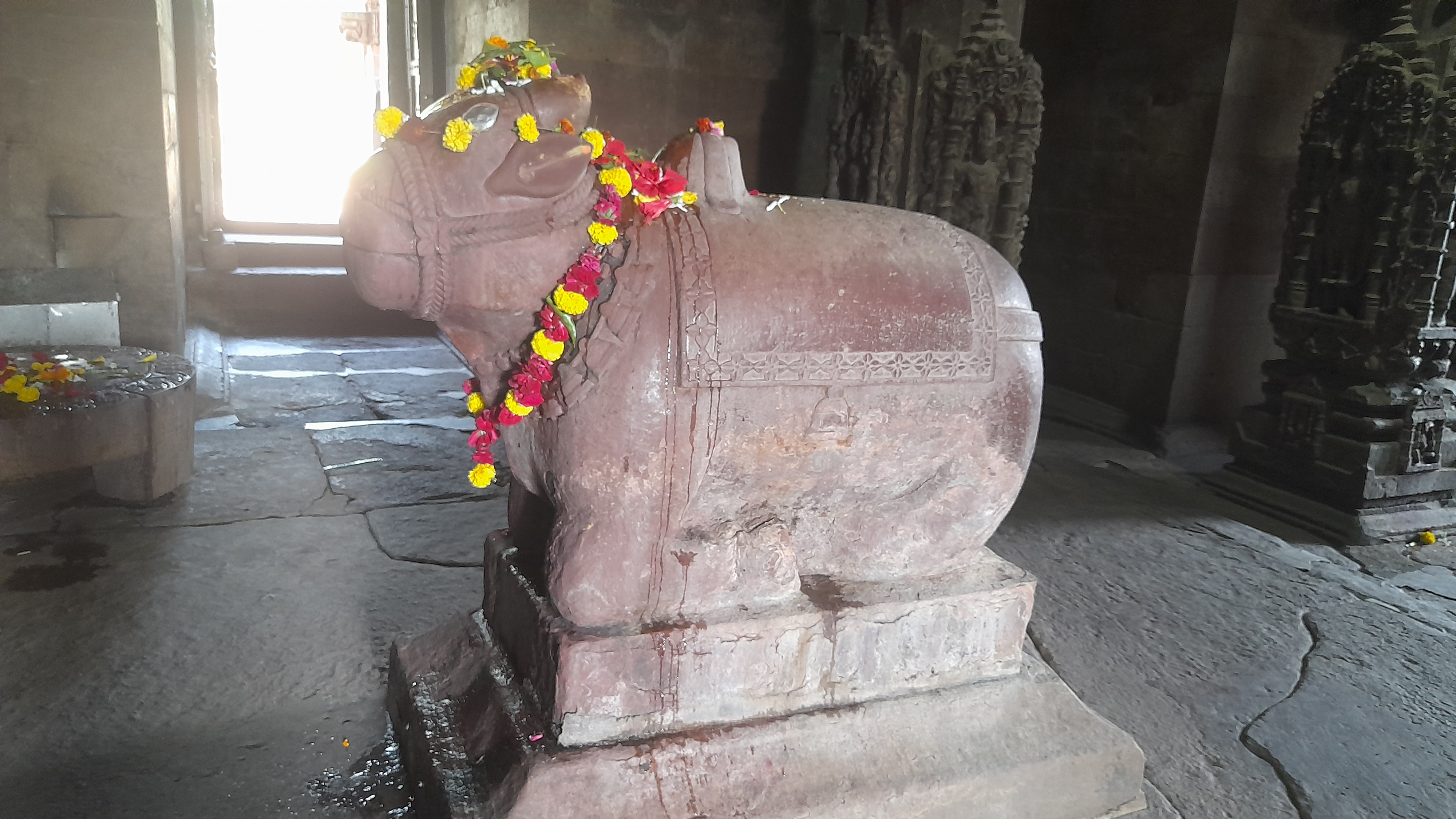
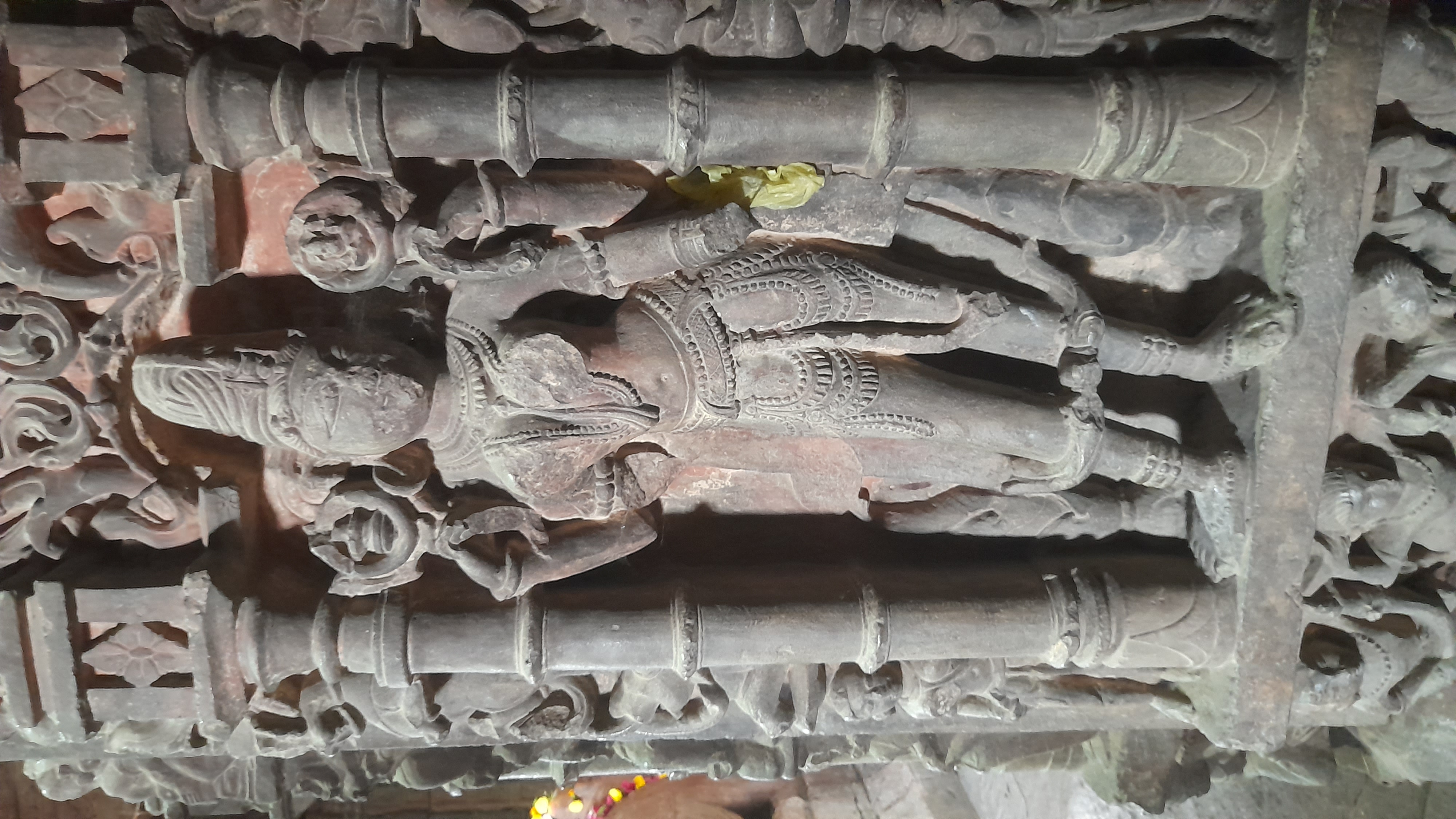
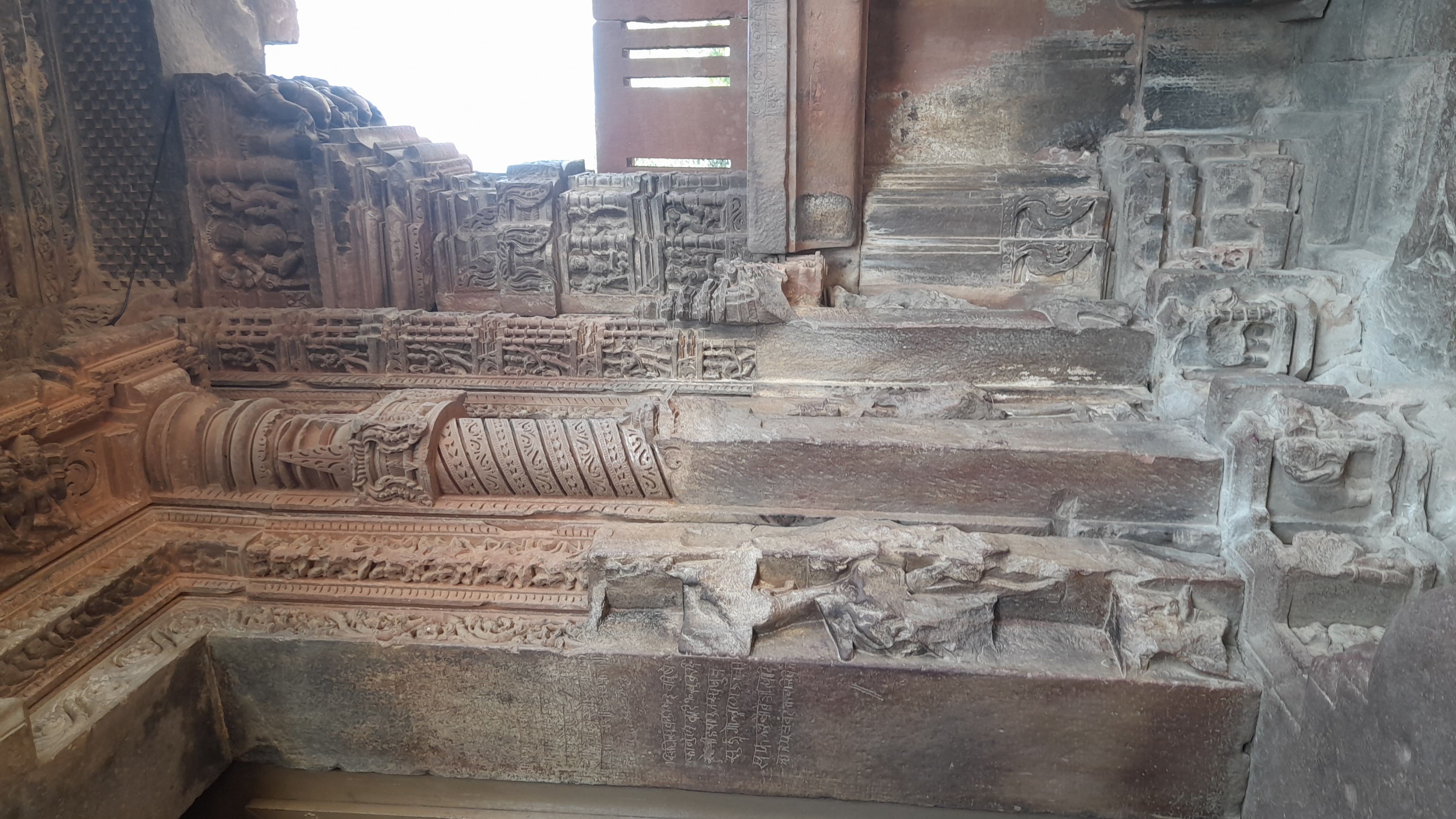
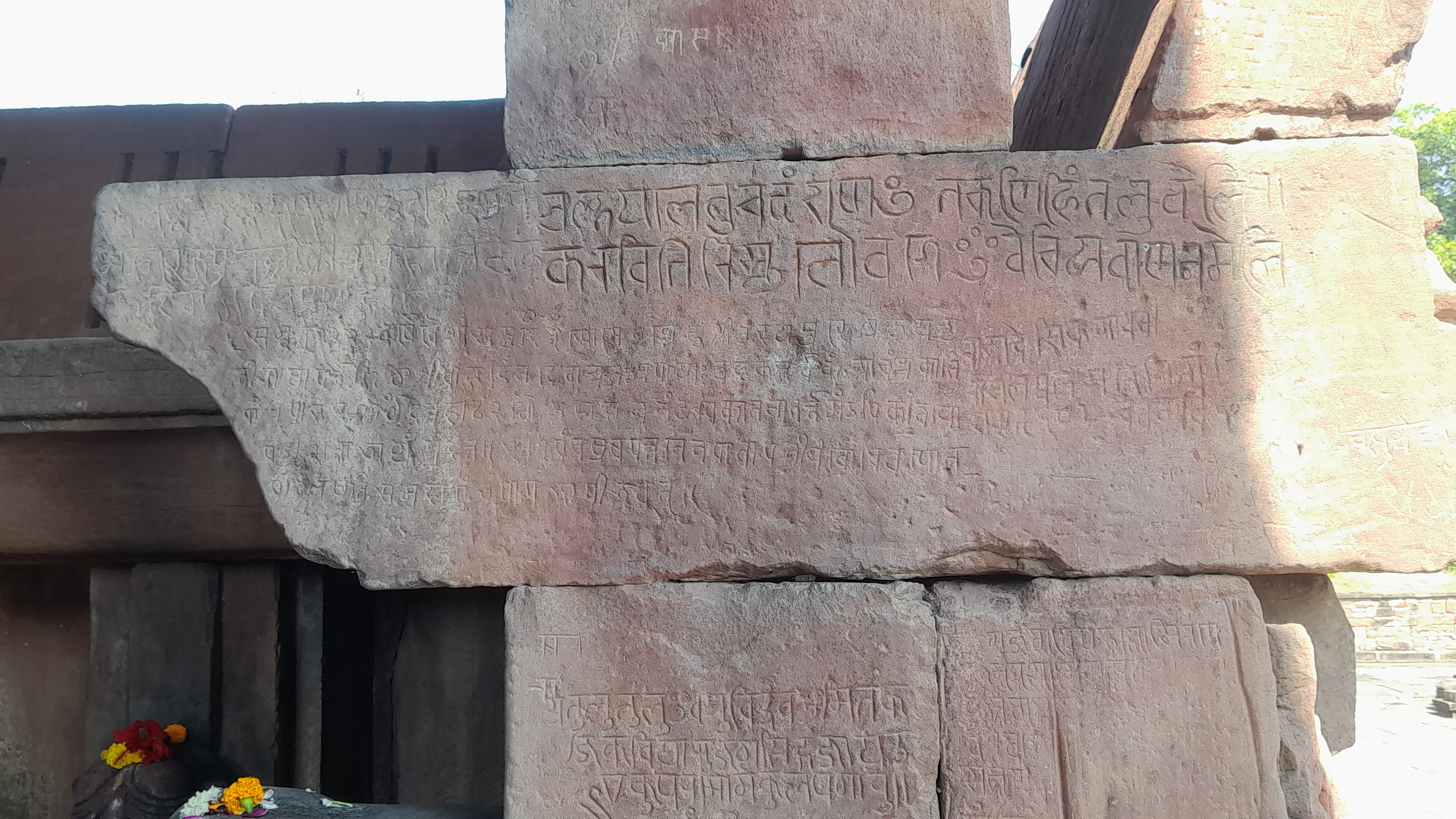
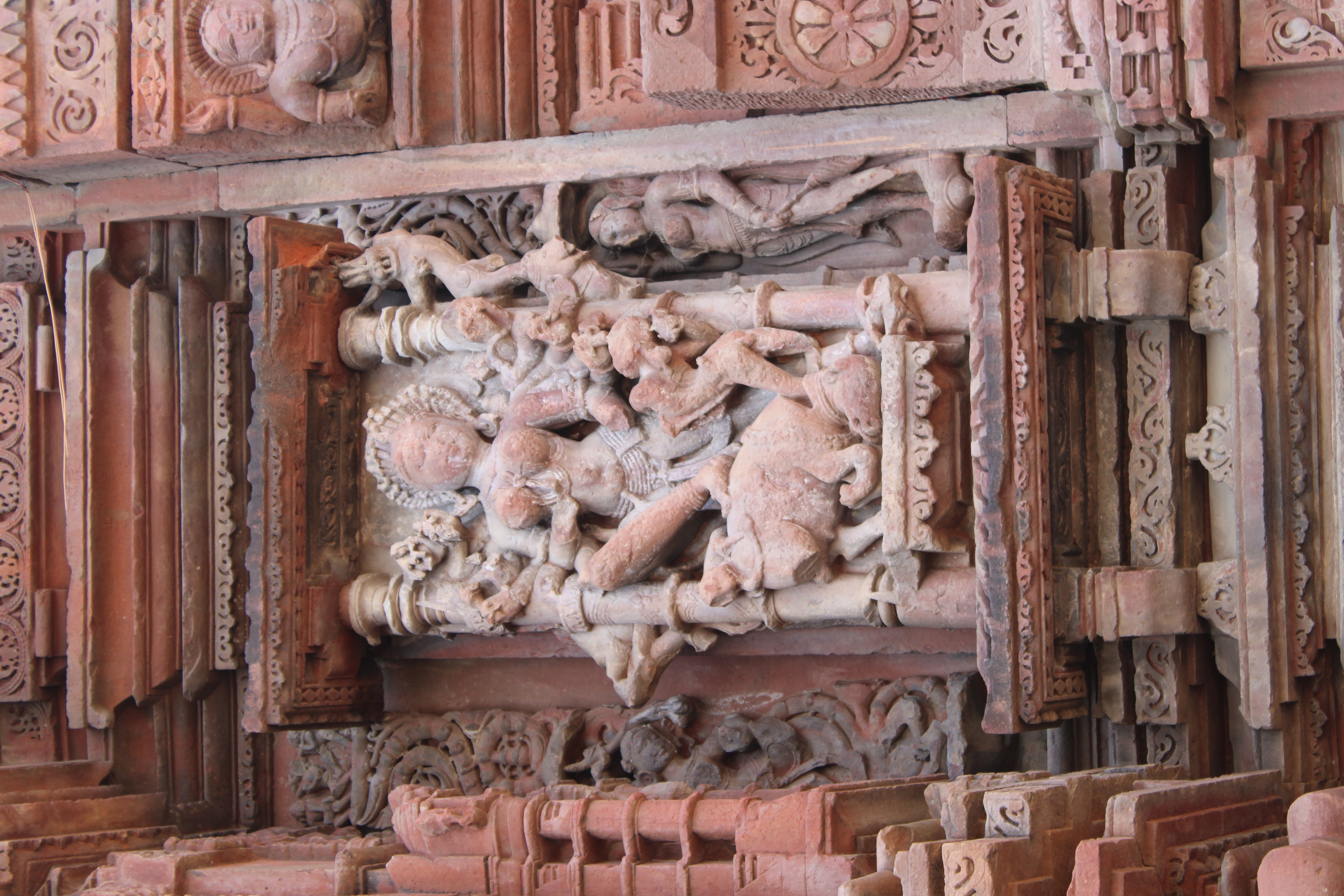
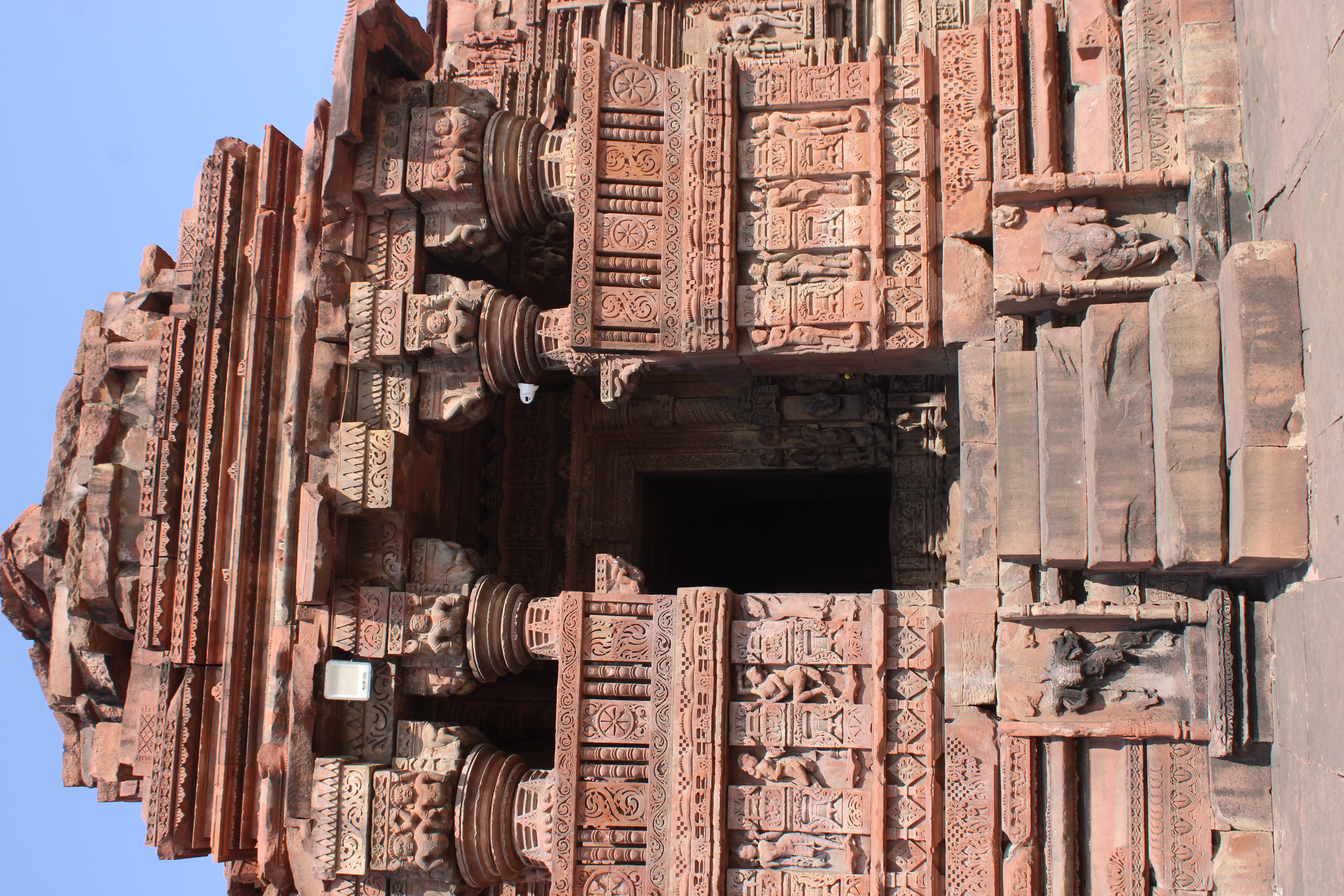
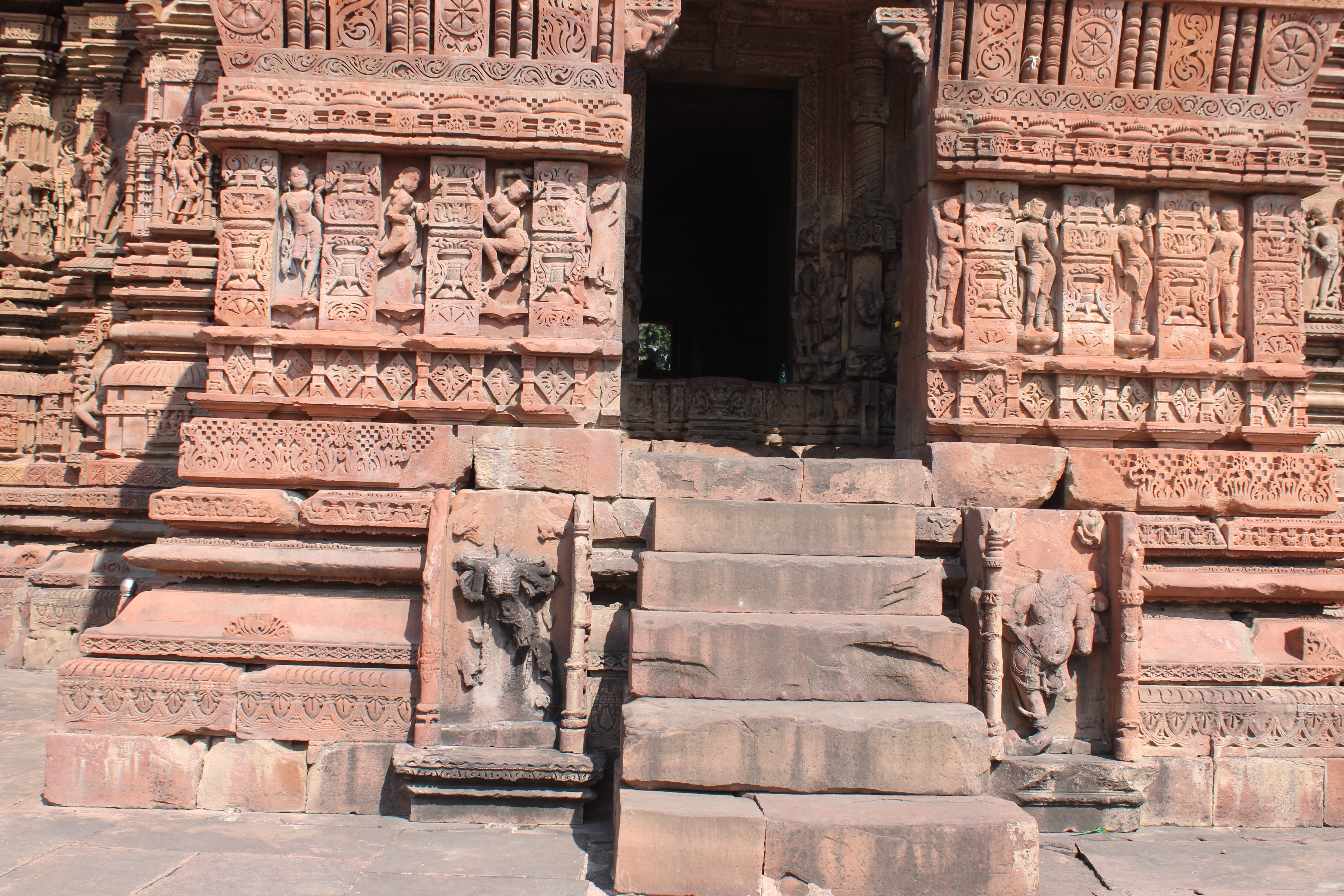
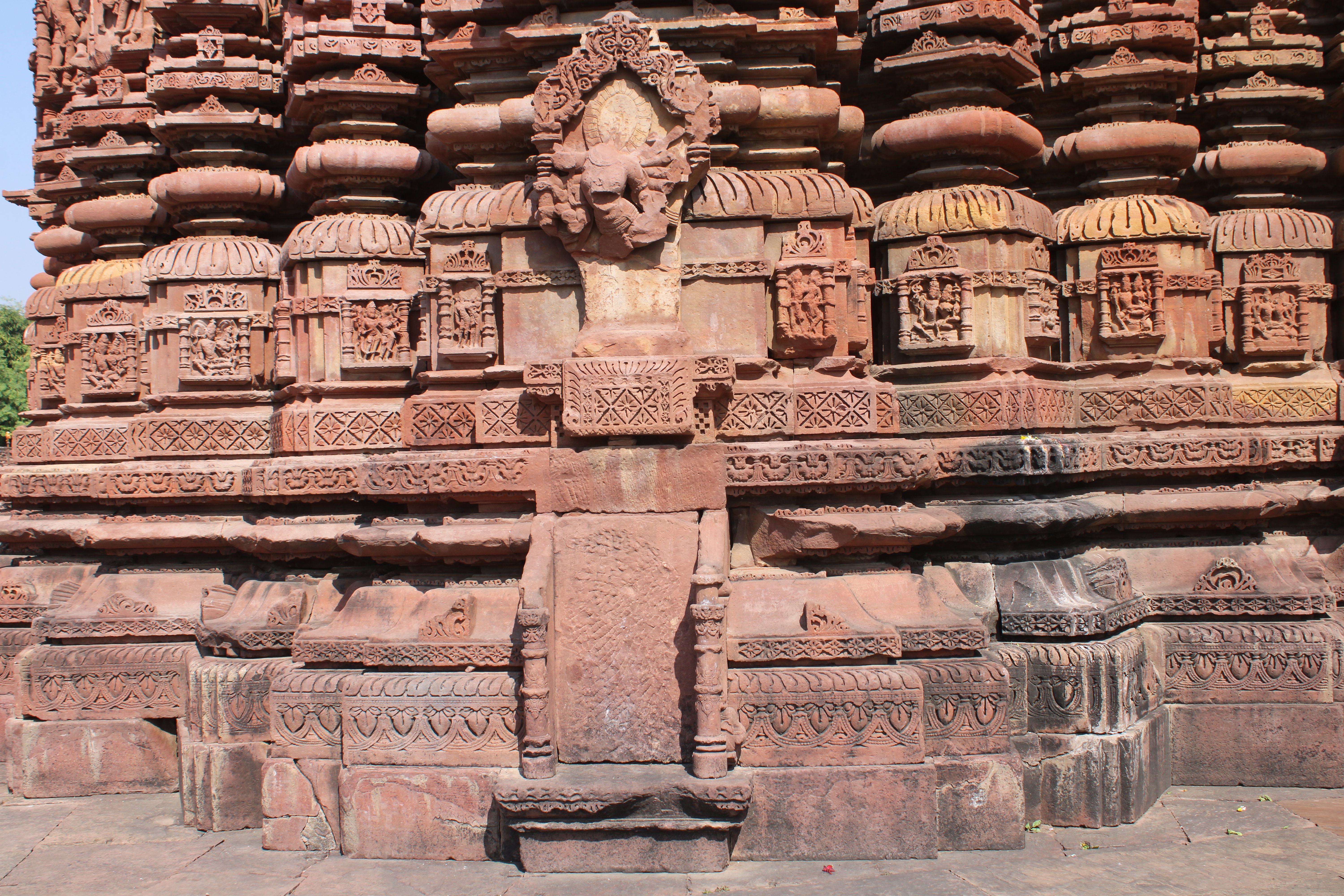
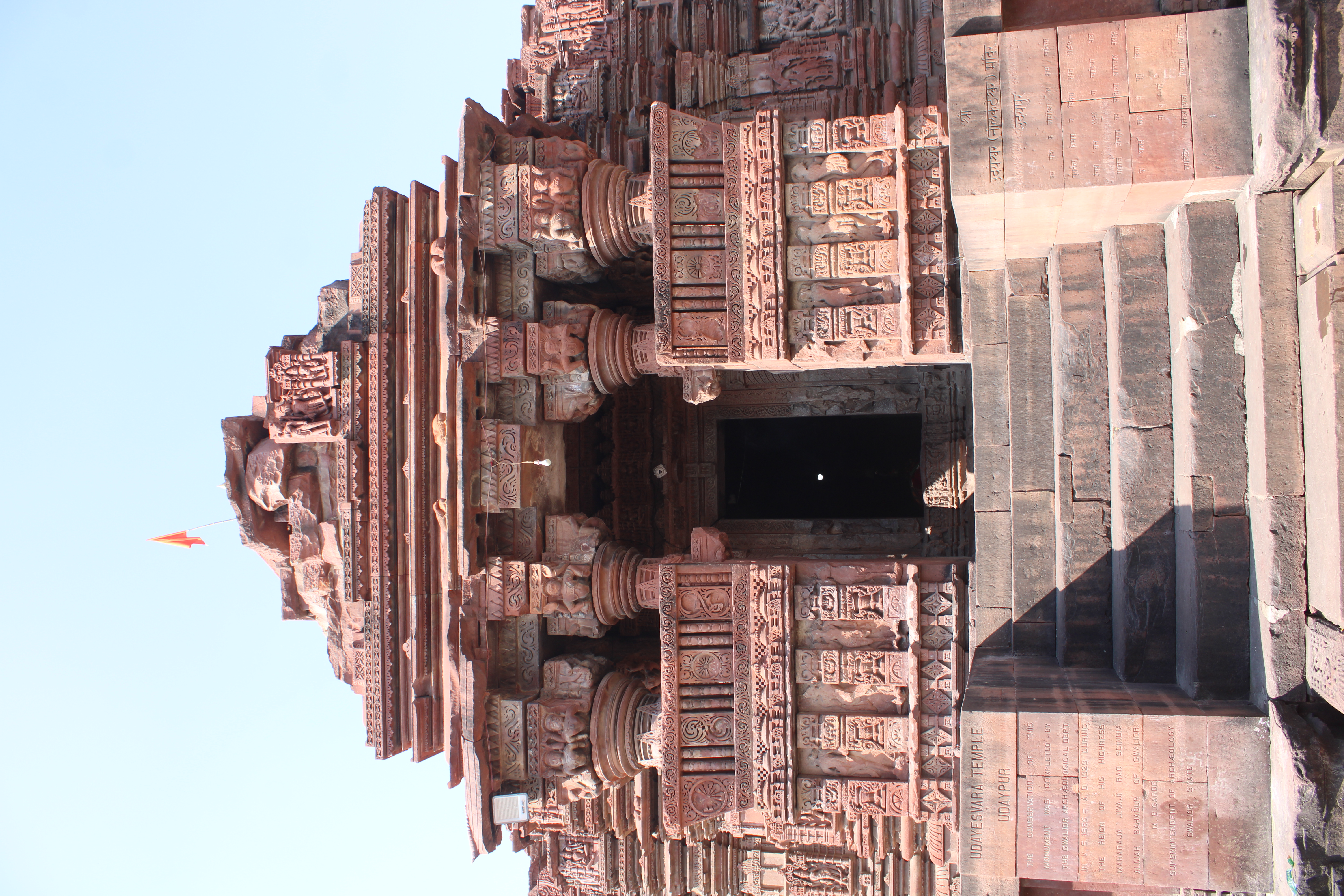
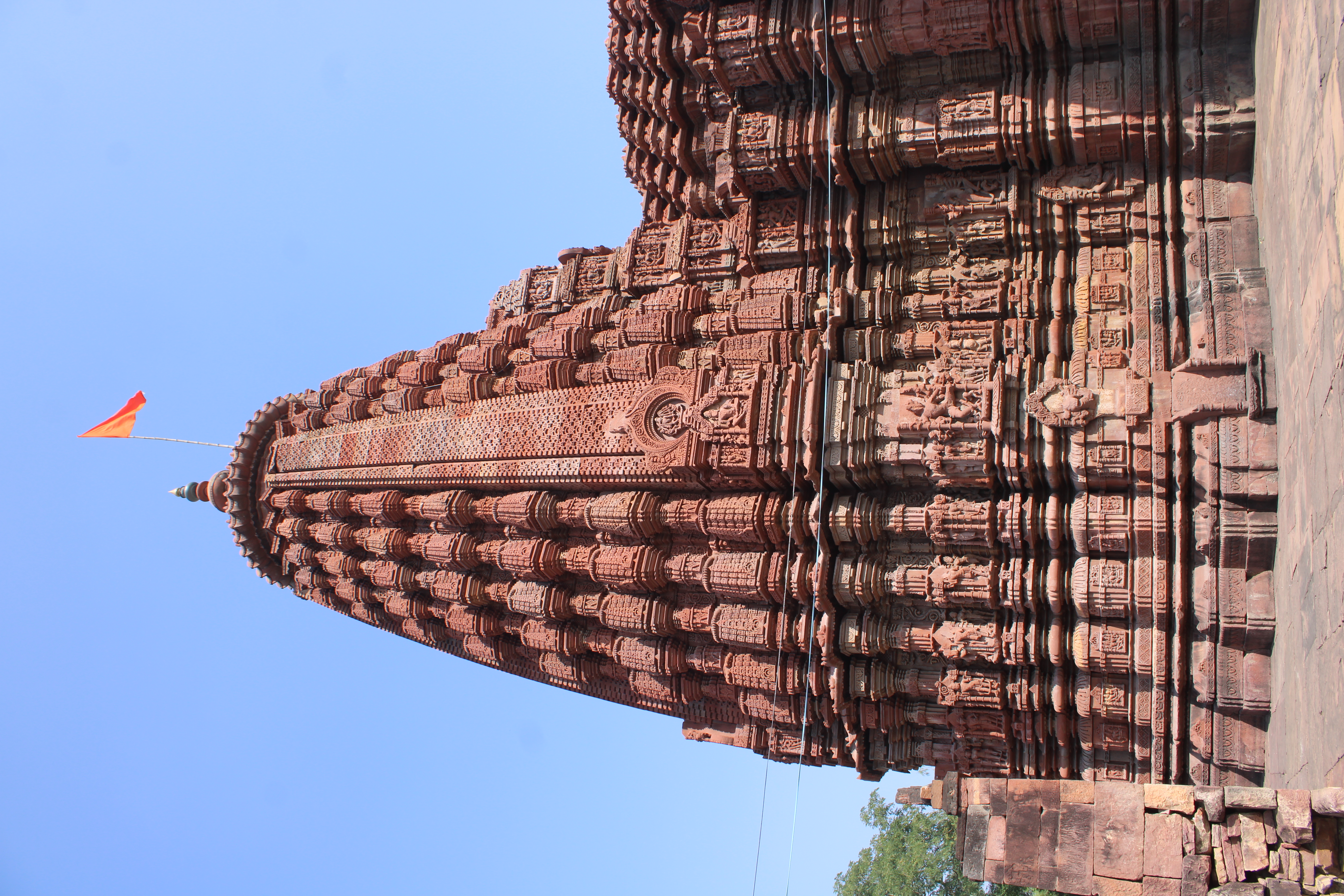
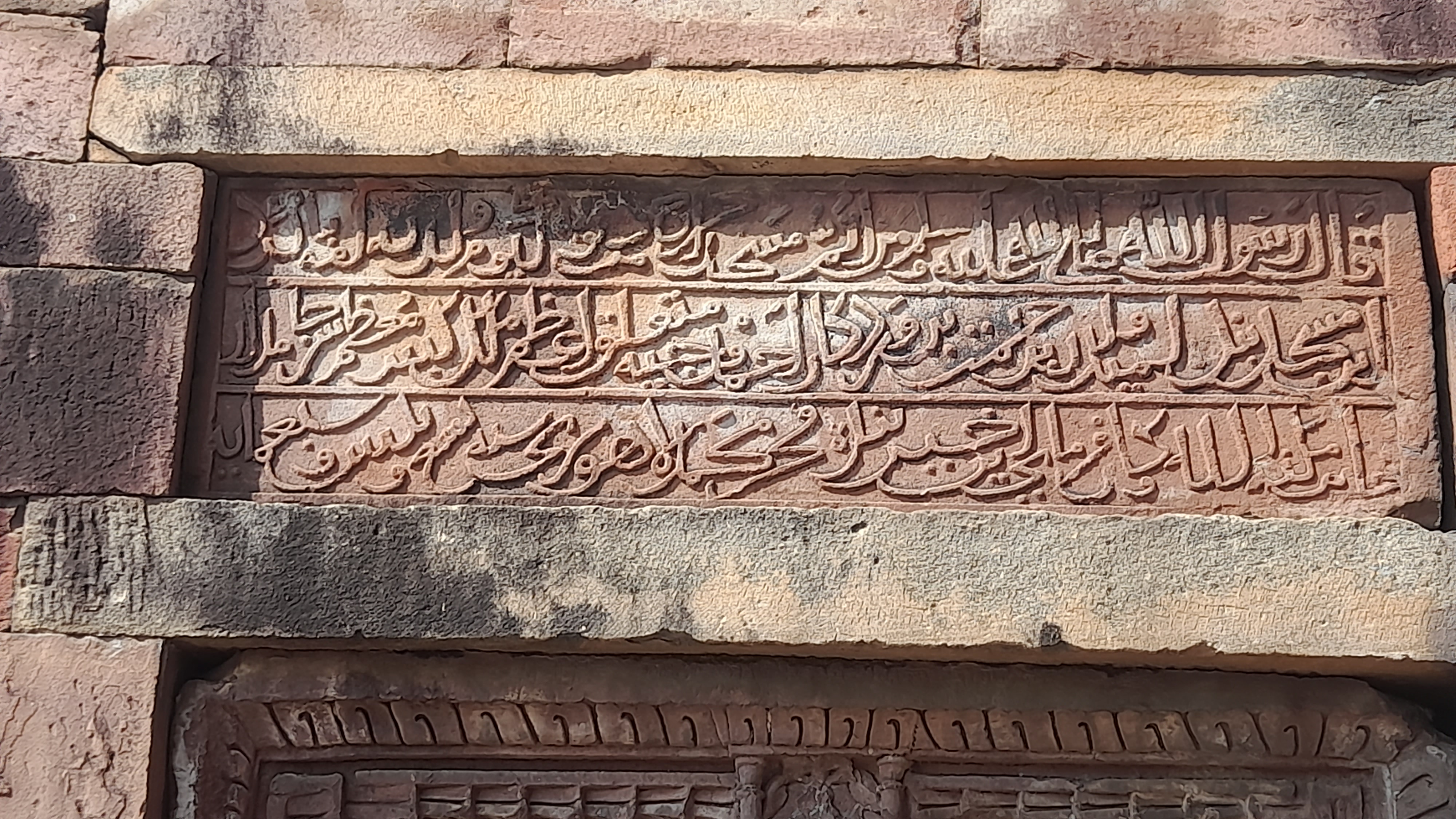
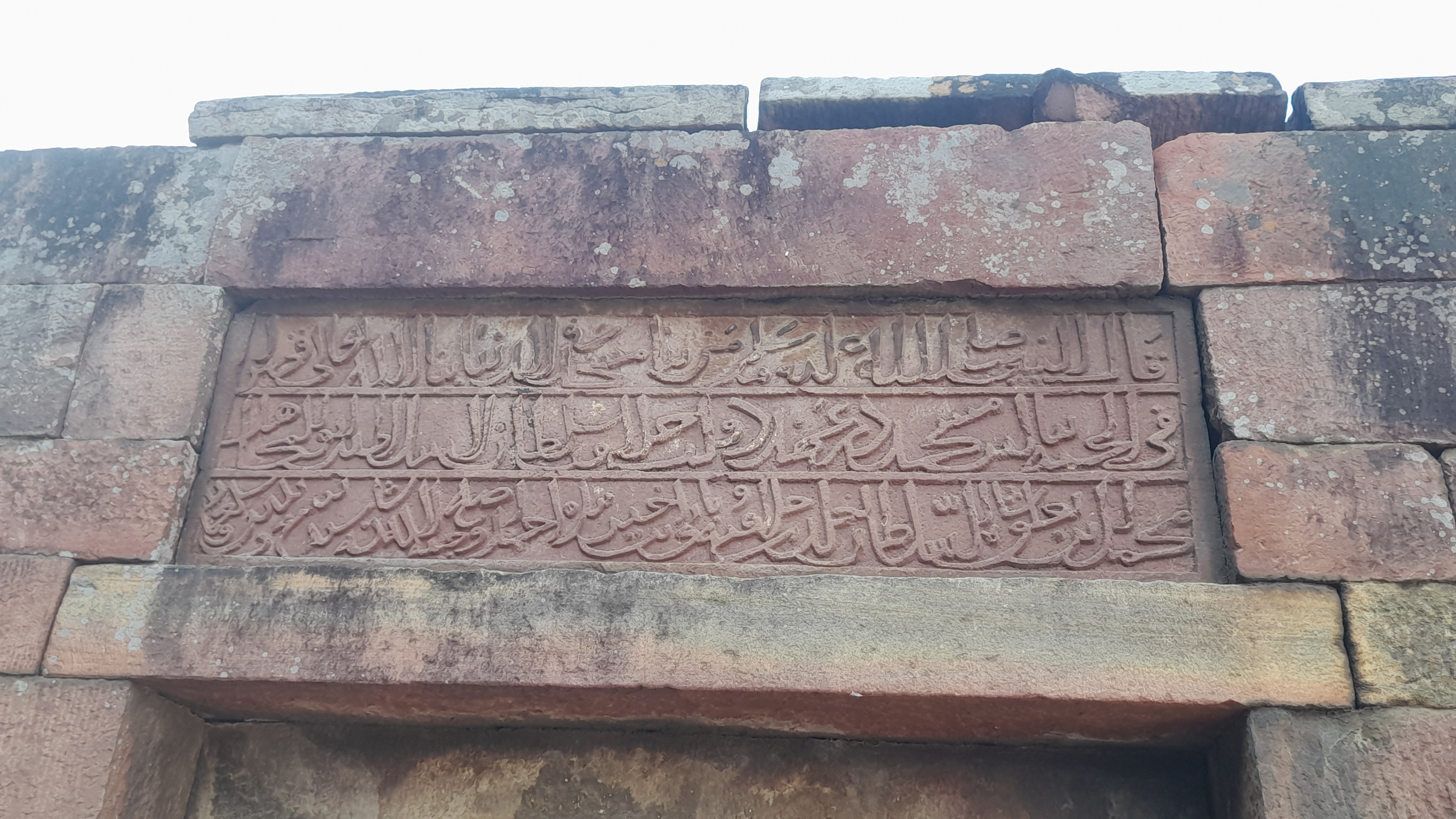
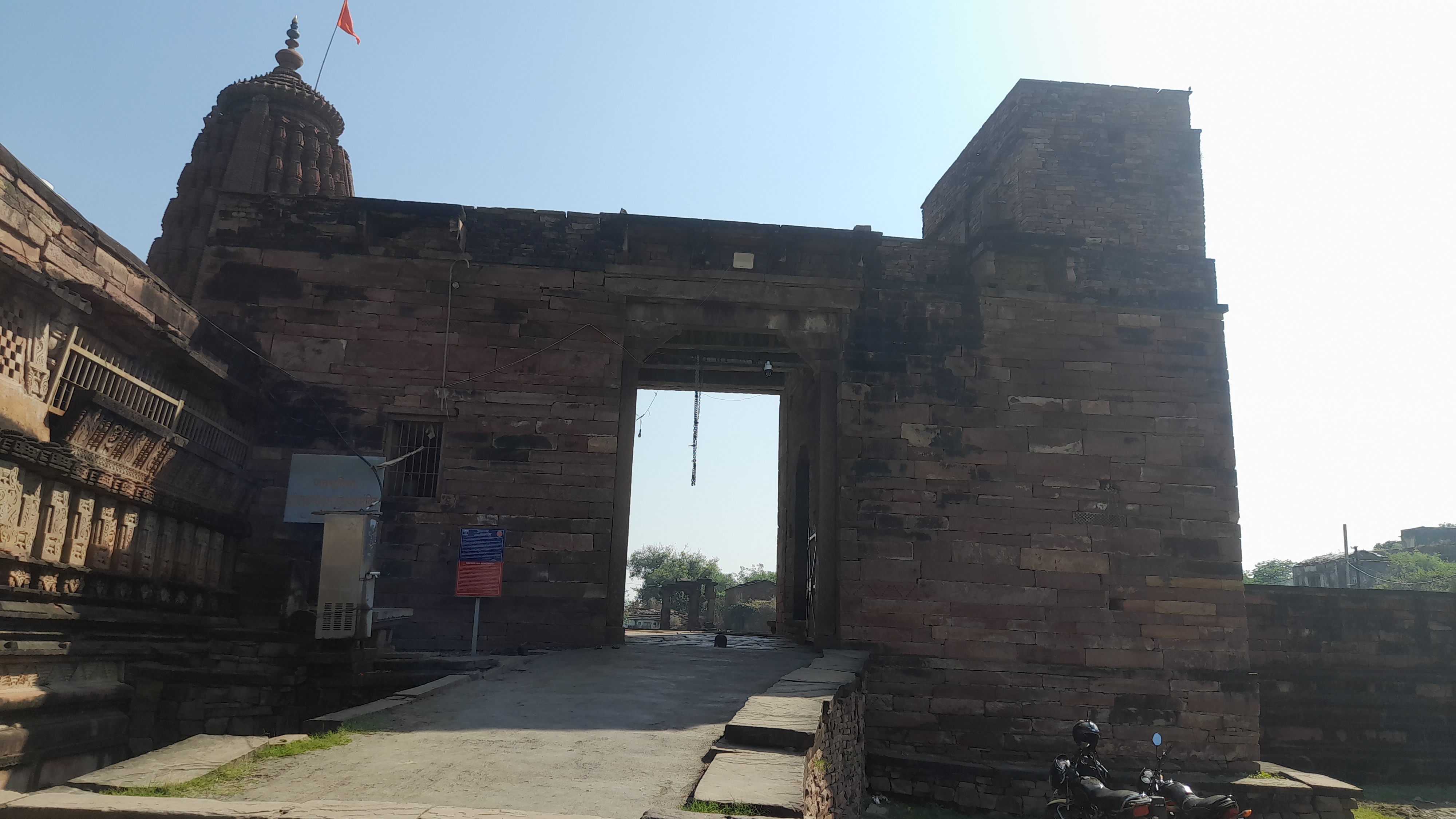
The Udayeswara temple, also known as the Nilakantheswara temple, is in Udaypur, a small village north-east of Bhopal. The nearest train station is at Bareth, about 6 km to the west of the temple. Ganj Basoda station, about 15km away and serviced by more trains, is the other alternative. <br><br> It was built by the Paramara king Udayaditya. He was the son of the great king Bhoja (1010-1050 AD). The Udayeshwar temple has a precise date obtained from two inscriptions engraved on the temple which record the construction of temple during Paramara king Udayaditya’s reign between 1059 to 1080. The temple stands slightly elevated above the rest of the village. The surrounding terrain is almost all flat, except for a couple of buttes that loom over the landscape. The temple stands in a compound that is approximately 65m x 65m square. There are eight other structures within the compound, in addition to the temple itself : three on the south of the temple, one directly to the east of the temple, and two on northern side. It appears that there should originally have been one more structure on the north-western corner of the compound, to match the one on the south-eastern corner, but no such structure exists. The presence of matrika images over the exterior of the temple and the doorways of inner chambers suggests that the eight subsidiary temples were dedicated to the ashta-matrka group. <br><br> The structure on the south is almost completely reduced to a pile of stones. The flat-roofed structure immediately to the east of the temple was presumably the bhog mandap. <br><br> The main temple stands on an east-west axis, with a portico on the east, opening into a sabha mandapa with ornately carved pillars, an antarala, and the garbha griha itself, furthest to the west. There is no circumambulatory passage (nirandhara). The garbha griha has a saptaratha plan, and a bhumija style spire above it. It is built over a stellate plan of 32-point star. However, it is not an accurate stellate plan as the bhadra (central) part of each side is not a pointed star but is parallel to the cardinal directions. <br><br> The spire is decorated with three bands of images of deities up to roughly half its height, with the rest of the spire being decorated by seven layers of successively of diminishing spires. The vertical components of the temple are pitha (platform), vedibandha (base), jangha (wall), and shikhara (tower). The pitha is composed of four moldings, a few carry decorations of garlands, leaves, and diamonds. The vedibandha is made of three moldings. The middle molding, kumbha, is decorated with niches resembling mini shrines. Various gods and goddesses are housed inside these niches. The jangha has pilasters arranged in saptaratha pattern. Niches have been provided on all the projections, each pilaster except the central has two niches on two sides due to the stellar plan. The spire is topped by an amalaka and a kalasha. <br><br> The roof of the sabha mandapa is in the pyramidal samavarana style. The sabha mandapa has two transepts on the north and south, with a high balcony bench, similar in style to the porch (ardha mandapa) projection on the east. The outer walls of the temple and the sabha mandapa are covered with idols and icons drawn from Hindu mythology – with Shiva Parvati, and Ganesha featuring prominently. There are idols of the eight dikpalakas on the main spire. There are a surprisingly large number of depictions of the “Bhringi” legend on the temple walls. The inner walls of the garbha griha are plain and devoid of any decorative elements. <br><br> The pillars in the sabha mandapa are elaborately carved on all four of their faces. It is difficult to access the fourth face of the pillars closest to the antarala, as the two surfaces are extremely close to each other. <br><br> The two smallest structures in the compound are immediately to the north and south of the temple, just behind the garbha griha. These are two arched gateways, with an inscription in Arabic above the gate, indicating that the temple was probably repurposed as an Islamic place of worship for some time after the area was conquered by the Delhi Sultanate. Transliteration: Qāla n-nabiyyu ṣallā llāhu ʿalayhi wa-sallam: man banā li-llāhi masjidan banā llāhu lahu baytan fī l-jannah. Amara bi-inshāʾihi l-ʿabdu […], ghufira lahu wa-li-wālidayhi. English Translation: “The Prophet (peace be upon him) said: ‘Whoever builds a mosque for the sake of God, God will build for him a house in Paradise.’ Ordered built by the servant [name lost]; may he and his parents be forgiven. Transliteration: Fa-inna n-naṣra min ʿindi llāhi l-ʿazīzi l-ḥakīm. Naṣrun mina llāhi wa-fatḥun qarīb, wa-bashshiri l-muʾminīn. ʿAlā yadi l-ʿabdi ḍ-ḍaʿīfi […] English Translation: “Truly, victory comes from God, the Mighty, the Wise. A victory from God and a near triumph — and give glad tidings to the believers. (Executed) by the humble servant [name lost].” (OCR and translation courtesy ChatGPT – expect errors!)
 | Raja Bhoj airport, Bhopal (128 kms, 180 mins):Bhopal is the nearest airport |
 | Bareth (7 kms, 15 mins):Bareth is the nearest railway station but there are few trains that stop here, and an infrequent public bus service that connects Bareth to the temple |
| Ganj Basoda (18 kms, 35 mins):Private transport facilities are available from Ganj Basoda railway station |
Constructed in: 11th century CE
Best Months to visit: Sep-Mar
Time required: 4 hours
Local Language(s): Hindi
- All visitors: ₹ 0 per head